allisles.com
Jamaica
allisles.com
Jamaica

Jamaica: Complete Caribbean Travel Guide
Visa Free
Last updated:
Quick Facts
- Visa Status: No visa required for most nationalities on short stays
- Currency: Jamaican Dollar (JMD)
- Language: English and Jamaican Patois
- Best Months: December, January, February, March, April
- Average Temperature: 27°C (81°F)
- Location: Greater Antilles, Caribbean
- Main Airport: Norman Manley International Airport (KIN)
About Jamaica
Best forAll travelers seeking Caribbean culturehistoryand natural beauty
Jamaica sits in the Caribbean Sea as part of the Greater Antilles. This island nation covers 10,991 square kilometers and is home to 2.83 million people. The Jamaica overview reveals a destination rich with music, food, and natural wonders. Jamaica gave the world reggae music, Bob Marley, and a unique cultural identity that extends far beyond its shores.
The island's geography varies dramatically from north to south. Montego Bay offers resort experiences on the northern coast. Kingston, the capital, sits on the southeastern coast. Mountains run through the island's center, creating lush rainforests and waterfalls. Beaches range from white sand to black sand formations. The island experiences a tropical climate year round with warm temperatures consistently around 27°C.
Jamaicans speak English as the official language, which makes travel straightforward for English speakers. However, you will hear Jamaican Patois everywhere, especially in rural areas and among locals. This Creole language blends English with West African vocabulary. Learning a few Patois phrases shows respect and enhances your cultural experience. The currency is the Jamaican dollar (JMD), though many tourist areas accept US dollars.
Why Visit Jamaica

Best forTravelers seeking authentic Caribbean experiences and diverse activities
Jamaica offers experiences you cannot find elsewhere in the Caribbean. This island combines natural attractions with vibrant cultural heritage. Visitors discover world-class beaches, colonial history, music venues, and adventure activities all in one destination. The people of Jamaica are warm and welcoming to visitors from around the world.
The island's beaches attract swimmers, snorkelers, and divers. Negril Beach stretches for seven kilometers along the western coast. Montego Bay offers calm waters perfect for families. The island has exceptional scuba diving sites with coral reefs and underwater formations. Dunn's River Falls provides a unique experience where you swim under cascading waterfalls. This natural wonder is one of Jamaica's most visited attractions.
Music and food are central to Jamaican culture. You can enjoy live reggae and dancehall music at venues across the island. Local cuisine features fresh seafood, tropical fruits, and bold spices. Rice and peas, jerk chicken, and ackee and saltfish are must-try dishes. The island's coffee region produces world-renowned Blue Mountain Coffee.
PRO TIP: Visit Jamaica during December through April for the best weather and lowest humidity. These months offer comfortable temperatures and minimal rainfall compared to the rainy seasons.
Jamaica for Families
Best forParents seeking safeengaging activities for children of all ages
Jamaica offers numerous family-friendly attractions and accommodations. Many resorts provide kids' clubs, water sports, and family dining options. The island's warm climate allows outdoor activities year round. Families should plan beach days, water sports, and cultural experiences together.
Dunn's River Falls near Ocho Rios is perfect for families with children. The cascading tiers allow swimmers of all ages to enjoy the falls safely. Local guides help families navigate the terrain. The park has changing facilities and shops nearby. Plan two to three hours for your visit including water time and exploration.
Nine Mile, Bob Marley's birthplace, offers educational tours suitable for older children. Guides explain Jamaican history and musical heritage. The community is welcoming and the experience teaches about Jamaica's cultural contributions. Bookings through tour operators in larger towns are recommended.
Montego Bay provides calm waters ideal for young swimmers. The resort areas have lifeguards and family amenities. Glass-bottom boat tours let children see marine life without diving. Glistening waters offer excellent snorkeling in shallow areas. Families can swim safely near the shore while older children explore deeper reefs.
Bring plenty of sunscreen, hats, and lightweight clothing for children. The sun in Jamaica is intense even on cloudy days. Pack medications and basic first aid supplies. Tap water in tourist areas is generally safe, but bottled water is recommended for very young children. Most resorts provide cribs and high chairs with advance notice.
Jamaica for Couples

Best forRomantic getaways and adventure-seeking pairs
Jamaica delivers romantic experiences and thrilling adventures for couples. The island offers sunset dinners, private beach access, and luxury accommodations. Many resorts cater specifically to couples seeking romance and relaxation. However, Jamaica also appeals to adventurous couples wanting diving, hiking, and exploration together.
Negril's seven-kilometer beach is ideal for romantic walks at sunset. The calm western waters create perfect conditions for swimming together. Many beachfront restaurants offer dinner with ocean views. Some couples book private beach cabanas for intimate experiences. Evening strolls along the sand are romantic and safe in populated areas.
For adventure, couples can explore together through scuba diving. Jamaica has some of the Caribbean's best dive sites. The reefs near Montego Bay and Negril offer colorful fish and coral formations. Couples can dive side by side while discovering underwater wonders. Certification courses are available for beginners through local dive shops.
The Blue Mountains offer scenic hiking for active couples. Cool mountain air contrasts with beach heat. The scenery is spectacular and less crowded than beach areas. Local guides help navigate trails safely. Hiking takes three to five hours depending on trail difficulty. Pack water, snacks, and sturdy hiking shoes.
Couples can experience live music together at Kingston's venues or beachside bars. Dancehall and reggae performances showcase Jamaican culture. Many venues are welcoming to tourists and have good safety records in established areas.
PRO TIP: Book private island tours or sunset catamaran cruises for unforgettable romantic moments. Many operators offer champagne and fresh fruit options for couples celebrating special occasions.
Jamaica for Solo Travelers
Best forIndependent explorers wanting authentic cultural immersion
Solo travelers find Jamaica welcoming and manageable. The island is smaller than many Caribbean destinations, making navigation easier. English is widely spoken, simplifying communication. Solo visitors can join group tours, stay in hostels, or book private accommodations based on preference.
Montego Bay and Ocho Rios have established tourism infrastructure. These towns have hostels, guesthouses, and organized tours. Solo travelers can easily meet others through group activities. Guided tours remove the stress of navigating unfamiliar areas alone.
Kingston offers the most authentic cultural experience for solo travelers. The capital has museums, galleries, live music venues, and local restaurants. The Museum of History and Culture provides Jamaican context. Local neighborhoods like New Kingston have walkable streets with shops and cafes. Solo travelers should stay in established neighborhoods and use registered taxis.
Public transportation exists but requires patience and flexibility. Minibuses connect major towns but operate on loose schedules. Tourist taxis are more expensive but reliable. Many solo travelers rent cars for independence, though this requires an International Driving Permit. Ride-sharing apps work in major tourist areas.
Safety for solo travelers improves with basic precautions. Stay in established tourist areas, avoid walking alone at night, and use registered transportation. Most tourist attractions have guides and security personnel. Solo female travelers report positive experiences with appropriate precautions in main towns.
Best Time To Visit Jamaica
Best forPlanning trips around optimal weather and crowd levels
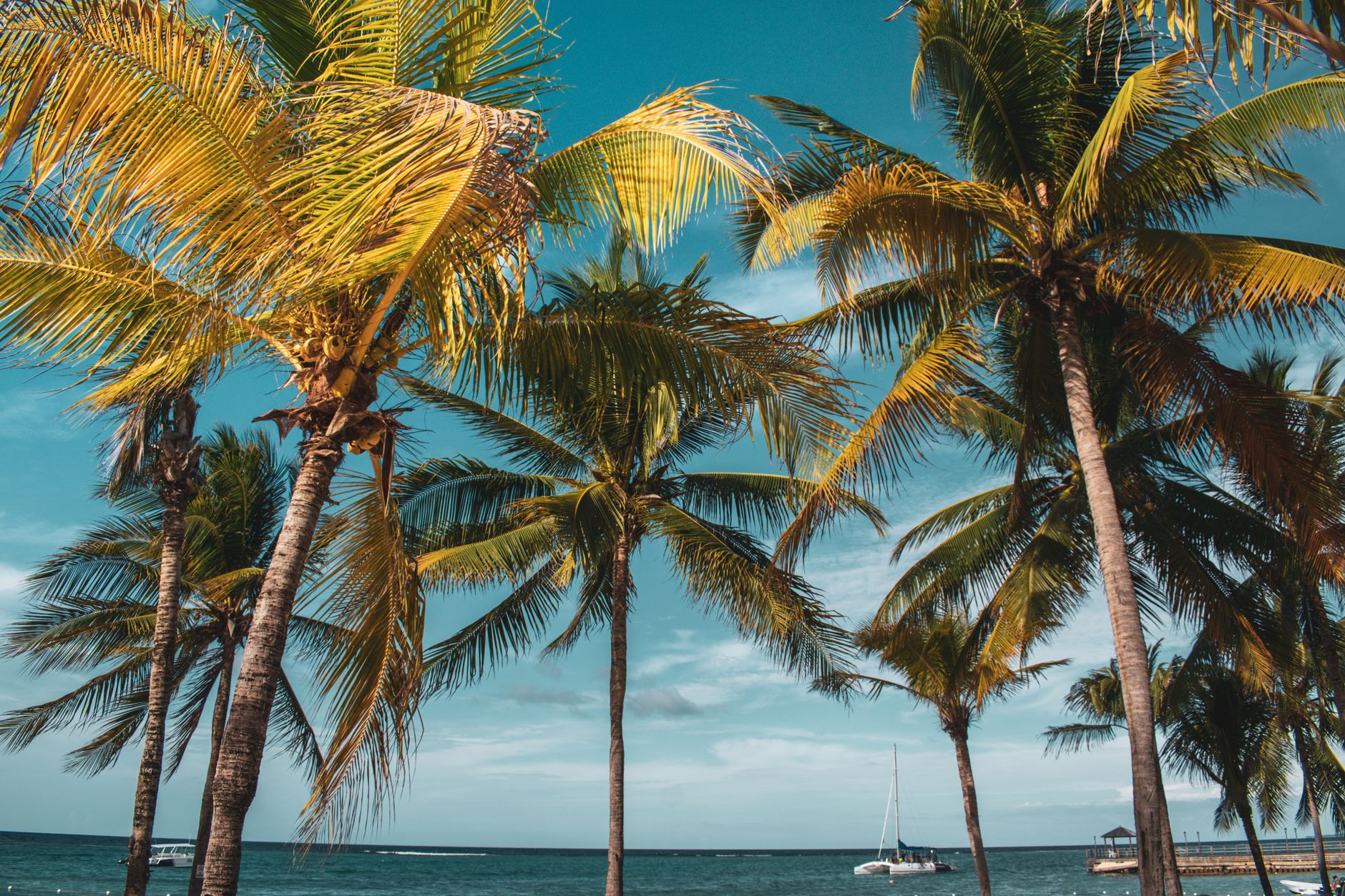
December through April represents Jamaica's dry season and peak tourism period. These months offer the best weather with temperatures around 27°C and minimal rainfall. The trade winds keep humidity manageable. Most travelers visit during these months, especially around Christmas and Easter holidays.
May through November is the wet season, bringing afternoon showers and higher humidity. However, temperatures remain warm. Accommodation prices drop significantly during this period. The island is less crowded, offering a more authentic experience. Short tropical showers typically pass quickly.
Hurricane season runs June through November, with highest risk August through October. Modern weather forecasting provides advance warning of approaching storms. Jamaica sits south of the main hurricane belt, reducing direct hit risks compared to other Caribbean islands. Travel insurance is recommended during this season.
February and March represent ideal visiting months. The weather is perfect, humidity is lowest, and rainfall is minimal. January offers similar conditions but experiences holiday crowds and higher prices. April maintains good weather while crowds begin to decrease slightly.
Budget travelers benefit from visiting May through July. Prices drop 20 to 30 percent during the shoulder season. Weather remains mostly pleasant with occasional showers. Fewer tourists mean shorter lines at attractions and more authentic interactions with locals.
Getting To Jamaica
Best forTravelers planning arrival logistics and transportation
Norman Manley International Airport (KIN) in Kingston is Jamaica's primary international airport. Most visitors arrive here. The airport has modern facilities, rental car agencies, currency exchange, and tourist information. Taxis from the airport to downtown Kingston cost around 1,500 to 2,000 JMD.
Sangster International Airport (MBJ) in Montego Bay serves the north coast. Many travelers prefer arriving here for direct access to resort areas. The airport is smaller than Kingston's but fully equipped for international flights. Many visitors find Montego Bay more convenient than traveling from Kingston.
Flights from North America typically take four to five hours. Direct flights operate from major US cities including New York, Miami, and Toronto. Flight times vary depending on your departure city and connections. Airlines including Caribbean Airlines, American Airlines, and Jamaica's national airline serve the island.
Visa requirements are minimal for most travelers. Citizens of Commonwealth countries, the United States, and European nations do not need visas for stays under 30 days. Your passport must be valid for the duration of your stay. Immigration officials typically request proof of return tickets and sufficient funds.
Ground transportation from airports includes rental cars, taxis, and pre-arranged shuttles. Rental cars provide maximum flexibility for exploring the island. International Driving Permits are required if your license is not in English. Roads vary in quality from excellent highways to rough mountain roads. Drive on the left side of the road.
Minibuses connect major towns but operate informally. These colorful vehicles are authentic and inexpensive but require flexibility. They pick up and drop off passengers along routes. Tourist taxis are licensed and more expensive but reliable and comfortable.
PRO TIP: Book ground transportation in advance if you want convenience and reliability. Pre-arranged shuttles eliminate airport confusion and remove the stress of negotiating with taxi drivers after a long flight.
Jamaica Overview: Activities and Attractions

Jamaica offers diverse activities beyond beaches. The island has historical sites, natural wonders, and cultural experiences. Visitors can customize itineraries based on personal interests and time constraints.
Dunn's River Falls is Jamaica's most visited natural attraction. The 600-meter waterfall creates tiers that form natural swimming pools. Visitors climb the falls, swimming in each level. The experience combines hiking, swimming, and natural beauty. The site is near Ocho Rios in the north. Plan your visit early morning to avoid crowds. Entry fees apply. The terrain requires moderate fitness.
The Blue Mountains produce world-famous coffee. The region covers about 2,000 square kilometers in the east. You can visit coffee plantations and learn about processing. Tours include sampling fresh-roasted beans. The drive through mountains offers spectacular scenery. Cool climate provides relief from coastal heat. Many tours depart from Kingston.
Negril Cliffs offer dramatic views and cliff jumping. Locals and tourists jump into deep waters below. The experience requires confidence in the water. Nearby restaurants and bars provide food and drinks. The western location makes sunset viewing spectacular. This area is busy but well-managed for tourist safety.
Coral Gardens National Park near Montego Bay protects marine ecosystems. Snorkeling reveals colorful fish, sea turtles, and coral formations. The park charges entry fees. Guided snorkeling tours depart from nearby beaches. Calm waters make this suitable for families and beginners.
Appleton Estate produces Jamaica's famous rum. The distillery operates tours showing production processes. Visitors taste different rum varieties. The gift shop sells bottles at discounted prices. Tours last two to three hours. The estate is located in the interior near the Black River.
Jamaica Overview: Food and Culture
Jamaican cuisine blends African, Caribbean, and British influences. The food reflects the island's diverse history. Local markets offer fresh produce, seafood, and prepared dishes. Restaurants range from casual beach shacks to upscale dining establishments.
Jerk chicken is Jamaica's most famous dish. Meat is marinated in spices including scotch bonnet peppers, allspice, and thyme. The meat cooks over open flames. The result is smoky, spicy, and flavorful. You find jerk stands everywhere from street vendors to restaurants.
Ackee and saltfish is the national dish. Ackee is a fruit that resembles scrambled eggs when cooked. Saltfish is dried and salted cod. The combination creates a unique breakfast dish. Many hotels serve this to guests wanting authentic Jamaican food.
Rice and peas uses rice and kidney beans cooked together. The dish is seasoned with coconut milk and spices. It appears on virtually every Jamaican plate. The combination provides complete protein and is filling.
Reggae music originated in Jamaica. Bob Marley is the genre's most famous artist. His music spread Jamaican culture globally. Many venues offer live reggae performances. Dancehall is another popular music style emerging from Jamaica. It features faster rhythms and electronic production.
Carnival celebrations occur in summer. These vibrant festivals feature parades, music, and dancing. Thousands gather for the events. Visitors can purchase tickets to view the parades. The celebrations showcase Jamaican culture at its most energetic.
PRO TIP: Visit local markets like Coronation Market in Kingston for authentic food experiences and the best prices. These markets operate daily and offer everything from tropical fruits to fresh seafood, giving you a genuine glimpse into Jamaican daily life.
Jamaica Overview: Practical Information
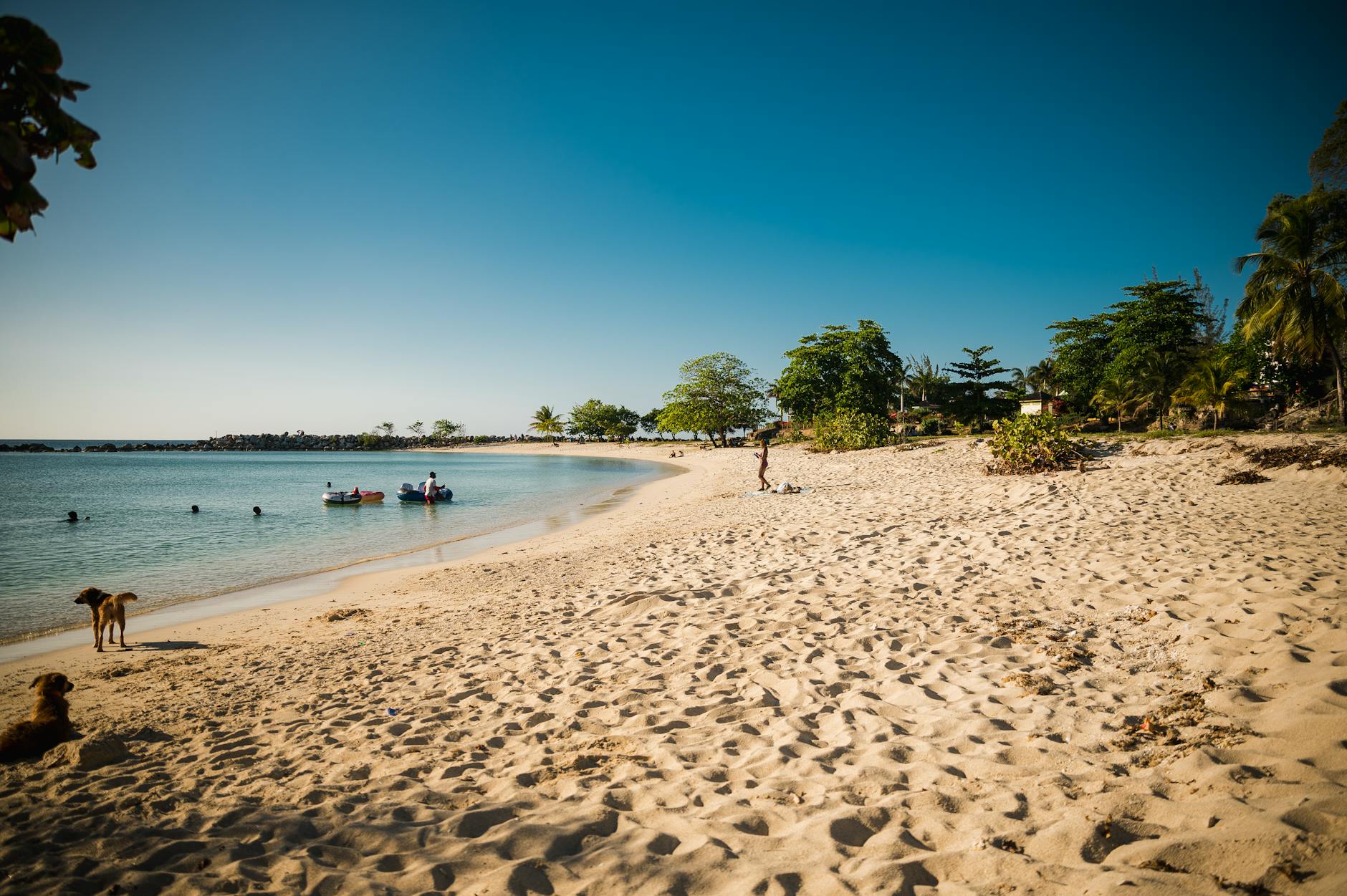
Understanding basic practical information improves your Jamaica visit. Knowing what to bring, how to manage money, and what to expect helps you prepare properly.
The Jamaican dollar (JMD) is the official currency. Exchange rates fluctuate daily. ATMs are common in tourist areas and major towns. Exchanging money at banks offers better rates than hotels. Credit cards work in most establishments but some local businesses prefer cash.
Electricity uses 110 volts with two-prong American plugs. Bring adapters if your devices use different plugs. Power outages occasionally occur but are typically brief. Backup power systems are common in hotels.
Mobile phone networks have good coverage in populated areas. Local SIM cards are inexpensive and offer reliable service. Most international phones work on Jamaican networks. Contact your provider about roaming rates before traveling.
Tap water in tourist areas is generally safe. Bottled water is inexpensive and widely available. Many travelers prefer bottled water for drinking and ice. Most restaurants and hotels use filtered water.
Healthcare in Jamaica is adequate in major towns. Kingston and Montego Bay have modern hospitals. Rural areas have limited medical services. Travel insurance covering medical evacuation is recommended. Bring prescription medications in original containers with pharmacy labels.
Pack lightweight clothing, sunscreen, and hats. The sun is intense near the equator. Quick-dry clothing suits the beach and humid climate. Bring reef-safe sunscreen to protect marine ecosystems. Closed-toe shoes are useful for hiking rough terrain.
Frequently Asked Questions
Do I Need a Visa To Visit Jamaica?
Most travelers do not need a visa for Jamaica on short stays. Citizens of Commonwealth countries, the United States, Canada, and European Union nations can enter without a visa for up to 30 days. Your passport must be valid for the entire stay. Immigration officials may request proof of return tickets and sufficient funds for your trip. If you plan to stay longer than 30 days or your country is not listed, contact the Jamaican embassy in your country for specific requirements before traveling.
What Is the Best Time To Visit Jamaica?
December through April offers the best weather with lowest rainfall and humidity. Temperatures around 27°C are comfortable for most activities. However, these months are peak tourism season with higher prices and more crowds. Budget travelers might prefer May through July when prices drop significantly, though afternoon showers are more common. Avoid September through October when hurricane risk is highest, though Jamaica sits south of the main hurricane belt and direct hits are rare.
What Language Do They Speak in Jamaica?
English is the official language and widely spoken in Jamaica. Most signs, menus, and official communications use English. You will hear Jamaican Patois among locals, especially in rural areas. Patois blends English with West African vocabulary and can be difficult for newcomers to understand. Learning a few Patois phrases shows respect and enhances interactions with locals. Hotels and tourist areas primarily use English, making communication straightforward for English speakers.
Is Jamaica Safe for Tourists?
Jamaica is safe in established tourist areas with basic precautions. Stay in recognized tourist neighborhoods, avoid walking alone at night, and use registered transportation. Most major attractions have guides and security. Kingston requires more caution than resort areas but is manageable with sensible precautions. Solo female travelers report positive experiences when staying in populated areas. Violent crime against tourists is rare. Common sense and awareness of your surroundings minimize risks significantly.
What Currency Should I Bring To Jamaica?
The Jamaican dollar (JMD) is the official currency. ATMs are available in tourist areas and major towns, allowing you to withdraw local currency. Major credit cards work in most establishments in tourist areas. Exchange rates vary daily, so check before traveling. Banks and currency exchanges offer better rates than hotels. Many tourist areas accept US dollars, but exchange rates are typically unfavorable. Bring a mix of cash and credit cards for flexibility and security.