
Last updated:
Jamaica vacation planning doesn't have to be complicated. This island in the Greater Antilles offers something for everyone. You can explore beaches, mountains, and waterfalls all in one trip. Whether you're traveling with family, as a couple, or solo, Jamaica welcomes you with warm culture and exciting adventures.
The island sits at coordinates 18.1096, -77.2975 and covers 10,991 square kilometers. About 2.8 million people call Jamaica home. They speak English and Jamaican Patois, making it easy for English speakers to visit. Most travelers don't need a visa for short stays. You'll just need a valid passport and a return ticket.
Jamaica's best travel season runs from December through April. These months bring perfect beach weather and lower humidity. The average temperature stays around 27°C year-round, so pack light clothing. Norman Manley International Airport in Kingston connects you to the island easily.
How Many Days Do You Need in Jamaica
Three days gives you a solid introduction to Jamaica. You can experience two or three main areas and get a real taste of island life. This timeframe works great for first-time visitors and budget travelers wanting to maximize their time.
Five days allows you to explore more deeply. You can visit multiple beaches, try water activities, and experience local culture. Families with young children often find five days perfect for a relaxing pace.
Seven to ten days lets you really experience Jamaica. You can visit both the north and south coasts. You have time for adventure activities like waterfall hikes, snorkeling, and exploring rural villages. Couples often choose this length for a romantic getaway.
Two weeks gives you luxury time. You can island hop, explore inland areas, and never feel rushed. You might add a trip to Negril, Montego Bay, and Port Antonio all in one vacation.
7-Day Jamaica Itinerary
Day 1: Arrival in Kingston
Fly into Norman Manley International Airport in Kingston. Pick up a rental car or arrange transportation to your hotel. Spend your evening exploring New Kingston. Walk through shops and food-restaurants in the downtown area. Try local food like ackee and saltfish or jerk chicken at a local restaurant.
Day 2: Kingston and Blue Mountains
Visit Devon House, a historic mansion in Kingston with beautiful gardens. Tour the rooms and learn about Jamaican history. Have lunch at one of the Devon House cafes. In the afternoon, drive toward the Blue Mountains. The scenery gets more beautiful as you climb higher. Stay overnight in the mountains or return to Kingston.
Day 3: Travel to Montego Bay
Drive or fly to Montego Bay on the north coast. This takes about two hours by car. Check into your hotel and relax on the beach. Doctor's Cave Beach offers calm, clear water perfect for swimming. Have dinner at a beachside restaurant and watch the sunset.
PRO TIP: Book your Montego Bay accommodations before traveling. Popular hotels fill up quickly during peak months. Staying in town gives you easy access to beaches, restaurants, and activities.
Day 4: Montego Bay Beach Day and Water Activities
Spend the morning swimming and relaxing. Try snorkeling at Coral Gardens. You'll see tropical fish and colorful coral formations. The water depth ranges from shallow to deeper sections. Most snorkel tours include equipment and guidance. In the afternoon, visit the Montego Bay Marine Park. It protects local reefs and marine life. Walk along the Hip Strip where you'll find shops, bars, and restaurants.
Day 5: Day Trip to Negril
Drive to Negril, about one hour from Montego Bay. Seven Mile Beach stretches along the coast with white sand and turquoise water. This beach is perfect for families and couples. Swim, sunbathe, or try paddleboarding. Visit Rick's Cafe at the cliff edge. You can jump from the cliffs into the ocean (optional). Watch the sunset with a drink in hand. Many consider this one of the best sunsets in Jamaica.
Day 6: Dunn's River Falls
Drive to Ocho Rios, about 45 minutes from Montego Bay. Visit Dunn's River Falls, Jamaica's most famous waterfall. The falls create natural terraced pools you can climb. The water is cool and refreshing. Wear water shoes for safety on the rocks. Take your time climbing and enjoy each pool. Plan two to three hours here. The crowds are smaller early in the morning.
PRO TIP: Arrive at Dunn's River Falls early, before 9 AM. You'll enjoy the falls with fewer tourists around. Bring reef-safe sunscreen to protect the ocean environment. Don't bring glass bottles to the waterfall.
Day 7: Relax and Depart
Spend your final morning on the beach or exploring a local market. Visit a craft market to buy souvenirs and support local artisans. Have lunch at a casual beachside shack. Try fresh fish with rice and peas. Head to the airport for your evening flight home.
3-Day Jamaica Itinerary
Day 1: Montego Bay Arrival and Beach Time
Arrive at Norman Manley International Airport and take a shuttle to Montego Bay. This north coast city is the main tourist hub. Check into your hotel and head straight to the beach. Doctor's Cave Beach offers perfect swimming conditions. The water stays calm and clear. Spend the afternoon relaxing. Have dinner at a local restaurant and get an early night.
Day 2: Water Activities and Negril
Spend the morning snorkeling at Coral Gardens. See tropical fish and coral reefs up close. Equipment rentals and boat rides are available at the beach. Around noon, drive to Negril. Seven Mile Beach offers pristine white sand and warm water. Swim and relax until late afternoon. Visit Rick's Cafe to watch the sunset from the cliffs. Return to your hotel for dinner.
Day 3: Dunn's River Falls and Departure
Drive to Ocho Rios early in the morning. Visit Dunn's River Falls. Climb the natural limestone terraces and swim in the pools. Spend two hours at the falls. Drive back to Montego Bay. Visit a local market to buy Jamaican coffee, spices, and crafts. Head to the airport for your flight home.
Jamaica Travel Budget Guide
Jamaica offers budget-friendly travel options alongside luxury experiences. Your costs depend on where you stay and what you do. Let's break down real expenses to help you plan.
Accommodation Costs
Budget hotels and guesthouses range from affordable to moderate prices. These simple rooms include basic amenities. Mid-range hotels offer more comfort with pools and better locations. Luxury resorts provide all-inclusive packages with meals and activities. Vacation rentals and Airbnb options offer good value for families or groups staying multiple nights.
Food Costs
Local restaurants and food shacks offer the cheapest meals. Try street food like jerk chicken, patties, or rice and peas. These meals cost less than dining at tourist restaurants. Grocery stores sell fresh fruit, vegetables, and supplies if you cook. Eating lunch as your main meal saves money compared to evening dinners. Tourist restaurants cost significantly more but offer international cuisine options.
Activity and Attraction Costs
Public beaches are free to enter. Dunn's River Falls charges an entrance fee. Snorkeling tours run per person and include boat rides and equipment. Water sports like jet skiing or parasailing cost more than snorkeling. Hiring a local guide for hiking or culture tours costs less than organized tour companies.
Transportation Costs
Renting a car gives you freedom but costs daily fees plus gas. Taxis are expensive for longer distances but work for short trips. Public buses are cheap but run on loose schedules. Organized tours include transportation but cost more per person. Ride-sharing apps work in Montego Bay and Kingston.
Budget Breakdown Example
Budget travelers might spend: moderate guesthouse, local food, free beaches, one or two paid attractions, and public transportation. Mid-range travelers upgrade to a decent hotel, eat at casual restaurants, do water activities, and rent a car for some days. Luxury travelers book resorts, dine at quality restaurants, take private tours, and enjoy premium activities.
Best Time To Book Your Jamaica Trip
Booking at the right time saves money and ensures better accommodations. Jamaica's seasons affect prices and availability. Understanding these patterns helps you plan smart.
Peak Season: December to April
The best months for Jamaica vacation planning are December through April. Weather is perfect with lower humidity and less rain. Many tourists visit during this period, especially holidays. Hotels fill up quickly and charge premium prices. Book accommodations at least two to three months in advance. Flights cost more but run frequently. Expect crowds at popular attractions like Dunn's River Falls.
Shoulder Season: May to June, November
May, June, and November offer decent weather with occasional rain. Fewer tourists visit during these months. Hotels offer lower rates and more availability. Booking one to two months ahead usually works fine. Flights may have better prices than peak season. Hurricane season starts in June, but Jamaica rarely gets direct hits.
Off-Season: July to October
The off-season brings heat, humidity, and occasional tropical storms. Many visitors skip these months. Hotels offer their lowest prices. You can book very close to your travel date. Fewer tourists mean less crowded attractions. The trade-off is unpredictable weather and some business closures.
Smart Booking Tips
Book flights and hotels together for the best package deals. Set price alerts on travel websites weeks before booking. Consider traveling on Tuesday, Wednesday, or Thursday for cheaper flights. Book accommodations directly with hotels sometimes offer better rates than booking sites. Check cancellation policies in case plans change.
PRO TIP: If you have flexible dates, travel in May or early November. You'll get better prices than peak season without hurricane risks. The weather is still warm and suitable for beach activities.
Packing List for Jamaica
Clothing and Footwear
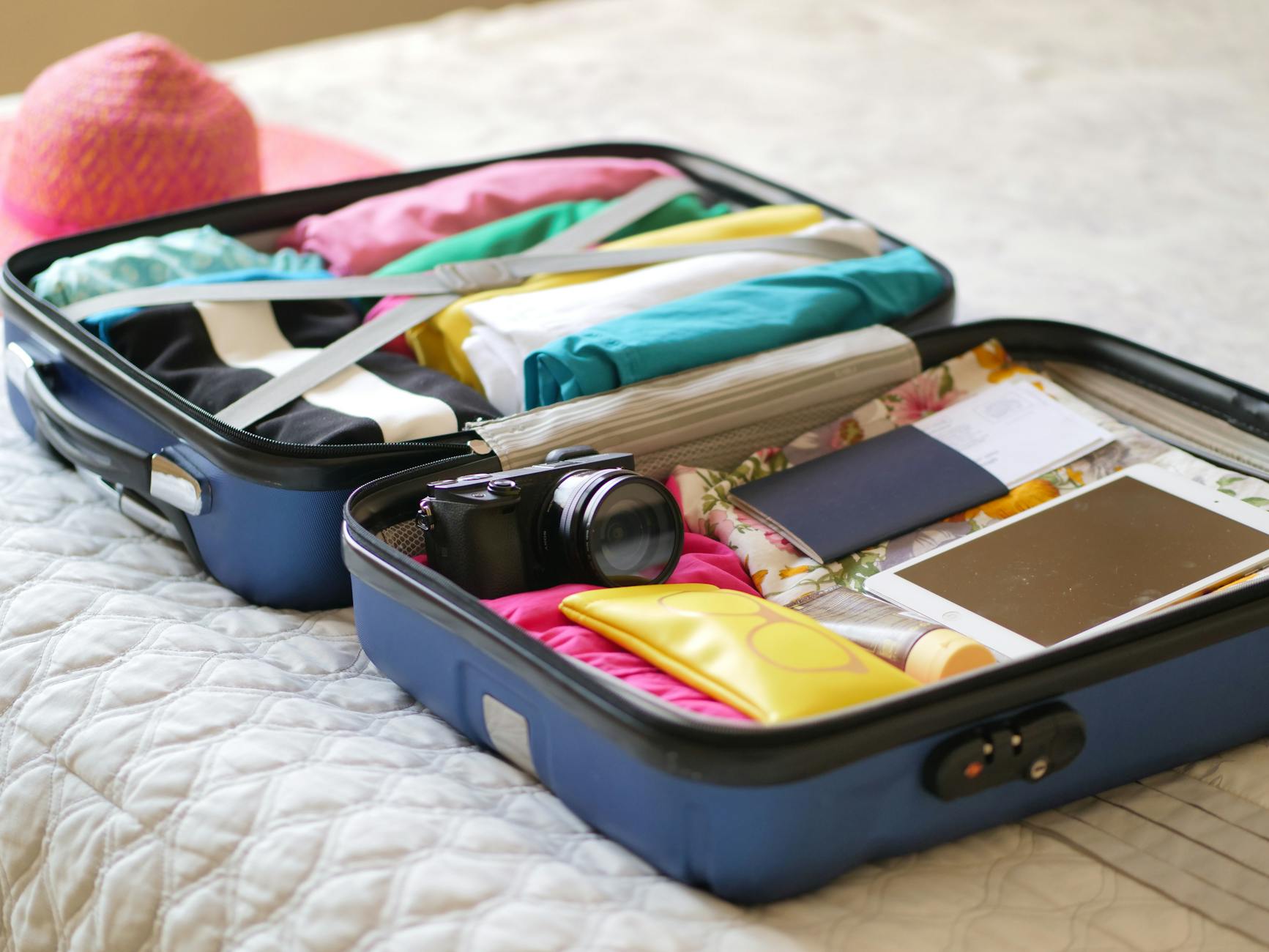
Pack light, breathable clothes in cotton or moisture-wicking fabrics. The weather stays warm year-round at 27°C average. Bring shorts, t-shirts, and sundresses for daytime. Pack one lightweight long-sleeve shirt for sun protection. Include one light jacket or cardigan for air conditioning indoors. Bring comfortable walking shoes and sandals. Pack water shoes or reef shoes for rocky beaches and waterfall areas. Include one nice outfit for evening restaurants or clubs.
Beach Essentials
Pack a swimsuit or two since clothes dry fast in the heat. Bring reef-safe sunscreen with SPF 30 or higher. A hat or visor protects your face from the sun. Sunglasses reduce glare from water and sand. Bring a lightweight beach cover-up or sarong. A waterproof phone case protects your device at the beach. Pack a beach towel or use your hotel's towels.
Health and Safety Items
Bring any prescription medications in original bottles. Pack basic first aid items: bandages, pain relievers, antibiotic cream, and anti-itch cream. Include motion sickness medication if prone to nausea. Bring antidiarrheal medication and stomach relief tablets. Pack insect repellent with DEET for mosquitoes. Include a basic thermometer. Bring any specific medications you use regularly.
Documents and Money
Your passport is essential. Make a photocopy and store it separately. Bring your travel insurance documents. Pack credit cards and some cash in Jamaican dollars. US dollars work in tourist areas but get poor exchange rates. Small bills are useful for tipping and small purchases. Bring your driver's license if you plan to rent a car.
Electronics and Accessories
Pack your phone charger and a portable battery bank. Bring a universal power adapter if your charger isn't compatible. Include headphones for music or entertainment. A travel guidebook or printed information helps when internet fails. Bring a camera if you prefer it over your phone camera. Include charging cables for all devices.
Optional Items
A lightweight rain jacket helps during brief tropical showers. Compression bags save suitcase space. A travel pillow makes flights more comfortable. A small crossbody bag works for daily outings. Earplugs help if your hotel is noisy. A journal captures memories and experiences.
Frequently Asked Questions
1. Do I need a visa to visit Jamaica?
Most nationalities do not need a visa for short stays in Jamaica. You'll need a valid passport and a return ticket. Your passport should be valid for at least six months after your travel date. US, Canadian, UK, and EU citizens can typically stay up to 30 days without a visa. Always check your specific country's requirements with the Jamaican embassy before traveling. If you're unsure, contact your local Jamaican consulate for official requirements.
2. What currency should I bring to Jamaica?
Jamaica uses the Jamaican Dollar (JMD). US dollars work in tourist areas, restaurants, and hotels. However, you'll get a better exchange rate using Jamaican dollars. Withdraw cash from ATMs in Montego Bay or Kingston. Credit cards work at most hotels and restaurants but not at street vendors. Exchange rates vary between banks and money changers. Bringing a mix of both currencies gives you flexibility and better deals at local businesses.
3. When is the best time to visit Jamaica?
December through April are the best months for Jamaica vacation planning. The weather is warm and dry with lower humidity. Hurricane season runs June through November, though Jamaica rarely gets direct hits. May and early June offer good weather with fewer tourists. July through October brings heat and occasional rain but offers the lowest prices. Choose based on your budget and weather preferences. The winter months provide the most reliable sunshine.
4. Is Jamaica safe for tourists?
Jamaica is generally safe for tourists who follow basic precautions. Stay in tourist areas and avoid walking alone at night. Don't display expensive jewelry, cameras, or large amounts of cash. Use registered taxis or ride-sharing apps instead of hailing cabs on the street. Travel with a buddy when exploring unfamiliar areas. Most tourist areas have good security. Violent crime against tourists is rare. Exercise common sense like you would in any tourist destination.
5. How do I get around Jamaica once I arrive?
Renting a car gives you the most freedom to explore. You'll need an International Driving Permit along with your US license. Taxis are available but expensive for longer trips. Ride-sharing apps like Uber work in Montego Bay and Kingston. Public buses are cheap but run on flexible schedules. Organized tours handle transportation and guide services. Most tourists use a combination of these options depending on their needs and destination.