
Last updated:
Best Markets in Jamaica
Jamaica markets burst with energy, color, and life that you cannot find anywhere else. The island's largest and most famous market is the Coronation Market in Kingston. This market has operated since 1912 and remains the heart of local commerce today. Vendors sell everything from fresh tropical fruits to handmade crafts. The energy here is incredible, and you will see real Jamaican culture in action.
The Coronation Market operates in downtown Kingston. Getting there is easy by taxi or guided tour. The market opens early in the morning, around 5 AM. Most traders pack up by early afternoon. This is the best time to visit Jamaica markets for the freshest products and best selection.
Montego Bay has its own vibrant market scene. The Montego Bay Market offers fresh produce, spices, and local goods. This market sits closer to tourist areas, making it more accessible. Many visitors combine market shopping with a beach day. The vendors here speak English well and expect tourists.
Spanish Town Market ranks as another major shopping destination. This historic market serves the central Jamaica region. You will find incredible deals here on local products. The atmosphere feels more local and less touristy than Kingston markets. Reach Spanish Town by car from Kingston in about 45 minutes.
Local Food Markets in Jamaica

Food markets in Jamaica showcase the island's incredible agricultural bounty. Tropical fruits fill stalls year round: mangoes, papayas, breadfruits, plantains, and coconuts. You will see piles of colorful produce that you have never encountered before. The smells and tastes define Jamaica's culinary culture.
At Coronation Market, the produce section dominates the entire ground floor. Vendors arrange their goods in neat pyramids and colorful displays. Prices are marked, but haggling is common and expected. Bring cash in Jamaican dollars for better deals. A single mango costs around 50 to 100 JMD. A bunch of plantains runs 150 to 250 JMD.
The spice section at Jamaica markets deserves special attention. Vendors sell fresh turmeric, ginger, scotch bonnet peppers, and curry powder. These spices are fresher and cheaper than imported versions. Many home cooks and chefs source their ingredients here. The aroma is unforgettable and fills the entire market.
Fish and meat vendors operate in separate sections at major markets. The ocean surrounds Jamaica, so fresh fish arrives daily. You will see red snapper, grouper, mahi mahi, and numerous other catches. These fish are perfect for cooking fresh meals in your vacation rental. Meat vendors sell chicken, beef, and goat. Prices vary by season and availability.
PRO TIP: Visit Jamaica markets early morning between 6 AM and 9 AM for the best selection and freshest products. Bring small bills and coins in Jamaican dollars to make purchases easier and receive better prices through negotiation.
Craft and Souvenir Shopping
Jamaica's craft markets overflow with handmade goods created by skilled local artisans. These crafts tell the story of Jamaica's rich cultural heritage. Wood carvings represent the most popular craft item. Artists carve everything from decorative masks to functional kitchen utensils. Each piece shows individual style and creativity.
The Hip Strip in Montego Bay concentrates many craft shops and tourist markets. This pedestrian area sits right along the waterfront. You will find numerous small vendors selling jewelry, clothing, and artwork. The prices here reflect tourism demand, but selection is excellent. Shops stay open late, ideal for evening shopping.
Reggae and Rasta crafts hold special significance in Jamaica. Artists create clothing, hats, and bags with red, green, and gold colors. Bob Marley merchandise appears everywhere, from t-shirts to decorative items. These items represent Jamaica's musical heritage and global influence.
Local artisans create beautiful jewelry from Caribbean sea life. Shell necklaces, coral bracelets, and pearl earrings are common finds. Some pieces feature semi-precious stones found in Jamaica. Quality varies greatly, so inspect items carefully before purchasing. Ask vendors about their materials and creation methods.
Pottery and ceramics represent another important craft tradition. Artisans create bowls, plates, vases, and decorative pieces. These items feature traditional Jamaican patterns and designs. Many pottery shops operate in tourist areas like Ocho Rios and Negril. Shipping delicate items home requires careful packing.
Where To Buy Local Products

Beyond major markets, numerous specialized shops and stands sell local products throughout Jamaica. The best local products come straight from the people who produce them. Visiting farmer cooperatives and craft workshops supports local families directly.
In Negril, the Norman Manley Boulevard hosts numerous beach vendors and small shops. These vendors sell everything from crafts to fresh coconut water. You can buy directly from producers here, ensuring authentic goods. Many vendors operate from simple wooden stands and structures.
Kingston's craft markets and galleries showcase high-quality artisan work. The National Gallery of Jamaica features local artists and craftspeople. Gift shops within the gallery sell curated pieces. Prices are higher, but quality and authenticity are guaranteed.
Roadside stands throughout rural Jamaica sell fresh local products. Driving through the interior, you will see stands selling fresh fruits, vegetables, and homemade goods. These stands offer incredible value and support small producers. Stop and chat with vendors to learn about their products.
Farmers markets operate in most major towns on specific days. These markets appear weekly or twice weekly in locations like Spanish Town, Mandeville, and May Pen. Locals shop here for the best deals and freshest items. Arriving early ensures the best selection.
PRO TIP: Bring reusable bags or a backpack when shopping at Jamaica markets. Vendors do not provide bags, and plastic bags are discouraged. Cash in Jamaican dollars is essential. Most market vendors do not accept credit cards or mobile payments.
Shopping Hours and Tips
Understanding market hours and shopping culture helps you shop successfully. Most major Jamaica markets open at dawn, around 5 AM to 6 AM. Opening hours follow the sun rather than posted schedules. Foot traffic peaks from 6 AM to 10 AM when locals do their shopping.
Coronation Market in Kingston closes by early afternoon, usually 1 PM to 2 PM. Smaller markets may operate longer, depending on vendor preference. Tourist-oriented markets stay open until evening to serve visitors. Always ask your hotel concierge about specific hours.
Haggling is an important part of Jamaica market culture. Vendors expect customers to negotiate prices. Start by offering 20 to 30 percent less than the asking price. Vendors will counter your offer. Meet somewhere in the middle for a fair deal. Always remain friendly and respectful during negotiations.
Dress simply and avoid displaying expensive jewelry or electronics. Jamaica markets attract pickpockets, especially in Kingston. Keep your bag close and your valuables secure. Leave your passport at your hotel. Only carry what you need for shopping.
Hire a local guide for your first market visit. Tourist information centers can arrange guides. A guide navigates crowds, finds the best vendors, and helps with language. Guides also know which vendors offer fair prices. This makes your experience safer and more enjoyable.
Bring cash in Jamaican dollars. The exchange rate is approximately 154 JMD to 1 USD, though rates fluctuate. ATMs are available near major markets. Withdraw cash before entering the market. Small bills make change easier during haggling.
Shop with a list of specific items you want. This keeps you focused and prevents impulse buying. Ask vendors for recommendations. Their knowledge about products is valuable. They can suggest the best quality items and fair prices.
What To Buy in Jamaica
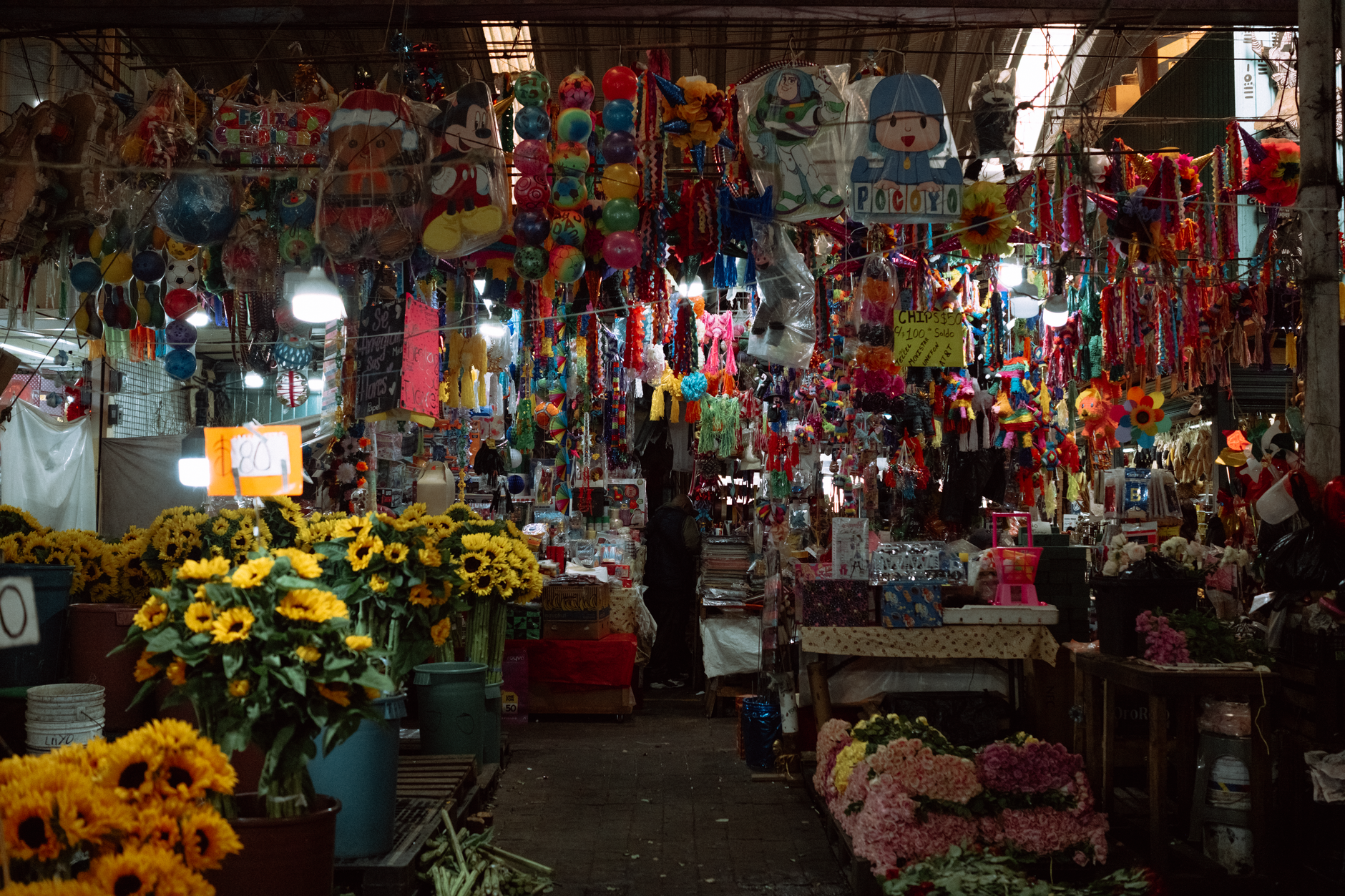
Certain items represent Jamaica perfectly and make excellent purchases. Blue Mountain coffee ranks among the world's finest coffees. Jamaica's Blue Mountains produce beans with unique flavor profiles. Roasted whole beans or ground coffee are available at markets. Bags of Blue Mountain coffee make perfect gifts for coffee lovers back home.
Jamaican rum is world famous and easily purchased. Appleton Estate and Mount Gay produce excellent rums. Markets and duty-free shops sell bottles at good prices. Different varieties range from light white rums to aged dark rums. Quality rums cost more but offer superior taste.
Jamaican spices make wonderful souvenirs and gifts. Nutmeg, allspice, cinnamon, and ginger grow locally. These spices are fresher and more aromatic than supermarket versions. Buy them at markets in small cloth bags. Prices are very reasonable compared to imported spices.
Jamaican honey represents another local product worth buying. Local beekeepers produce pure honey. Bottles are available at markets and specialty shops. The honey tastes distinctly different from mass-produced supermarket versions. It makes an excellent gift and stays fresh for years.
Coconut products include oils, creams, and water. Pure coconut oil used for cooking and hair care is available everywhere. Coconut water from fresh young coconuts is refreshing and healthy. These products cost very little and hold great value for tourists.
Artwork and paintings by Jamaican artists tell important stories. Visit galleries and markets to find original pieces. Prices range from affordable to expensive depending on the artist. Smaller pieces ship more easily than large canvases.
Jamaican fashion items like tie-dye clothing and traditional patterns are popular. Local designers create unique pieces. Shops sell everything from casual wear to formal clothing. Supporting local designers helps preserve Jamaica's cultural traditions.
Frequently Asked Questions
Are Jamaica Markets Safe for Tourists?
Major Jamaica markets are generally safe when you take precautions. Visit during daylight hours and avoid early morning darkness. Travel with a guide or friend rather than alone. Keep your belongings close and avoid displaying expensive items. Coronation Market in Kingston is busy and well-policed. Tourist-oriented markets in beach towns like Montego Bay are particularly safe. Stay alert and trust your instincts about areas.
What Is the Best Time To Visit Jamaica Markets?
The best months to visit Jamaica are December through April when weather is pleasant and humidity is lower. Within those months, visit markets early morning between 6 AM and 9 AM. This is when vendors have the freshest products and largest selection. Weekdays are less crowded than weekends. Midweek visits offer a more relaxed shopping experience. Avoid midday heat when shopping becomes uncomfortable. Late afternoon crowds thin out, but selection decreases.
Can I Use Credit Cards at Jamaica Markets?
Most Jamaica markets operate on cash only, primarily Jamaican dollars. Credit cards are rarely accepted at market stalls. ATMs are located near major markets and town centers. Withdraw cash before entering the market. Some tourist-oriented shops accept cards, but expect to pay higher prices. Carrying Jamaican dollars gives you better prices and haggling power. Always have small bills for easier transactions and change.
What Should I Pack for Market Shopping in Jamaica?
Bring reusable shopping bags or a backpack since markets do not provide bags. Wear comfortable walking shoes and light, breathable clothing. Sun protection is essential: bring a hat and sunscreen. Insect repellent helps in indoor markets with fruit. Hand sanitizer is useful after handling produce. Wear a crossbody bag that stays close to your body. Avoid carrying valuables like passports or excessive cash. Bring small bills in Jamaican dollars for easier transactions and haggling.
How Do I Know If Produce at Jamaica Markets Is Fresh?
Fresh produce should have vibrant colors and firm texture. Smell items like mangoes and papayas: ripe fruit has a sweet aroma. Avoid bruised or soft spots on fruits. Ask vendors when they harvested items, though answers vary. Buy from vendors with high customer turnover and busy stalls. These vendors refresh their stock constantly. Ask other customers which vendors they recommend. Fresh items at busy stalls indicate quick sales and constant replenishment. Reject any items that feel mushy or look discolored.