
Last updated:
Jamaica offers some of the Caribbean's best scuba diving opportunities. The island sits in the Greater Antilles and features diverse reef systems, shipwrecks, and abundant marine life. Jamaica scuba diving attracts divers of all skill levels year-round.
The island's warm waters and healthy coral ecosystems make it an ideal destination. You can explore stunning underwater formations without traveling far from shore. Jamaica scuba diving sites range from shallow reefs perfect for beginners to deep wrecks for experienced divers.
Best Dive Sites in Jamaica
Montego Bay hosts Jamaica's most famous diving destination: the Montego Bay Marine Park. This protected area features coral gardens, drop-offs, and plenty of fish species. The park covers 6 square miles of pristine reef habitat.
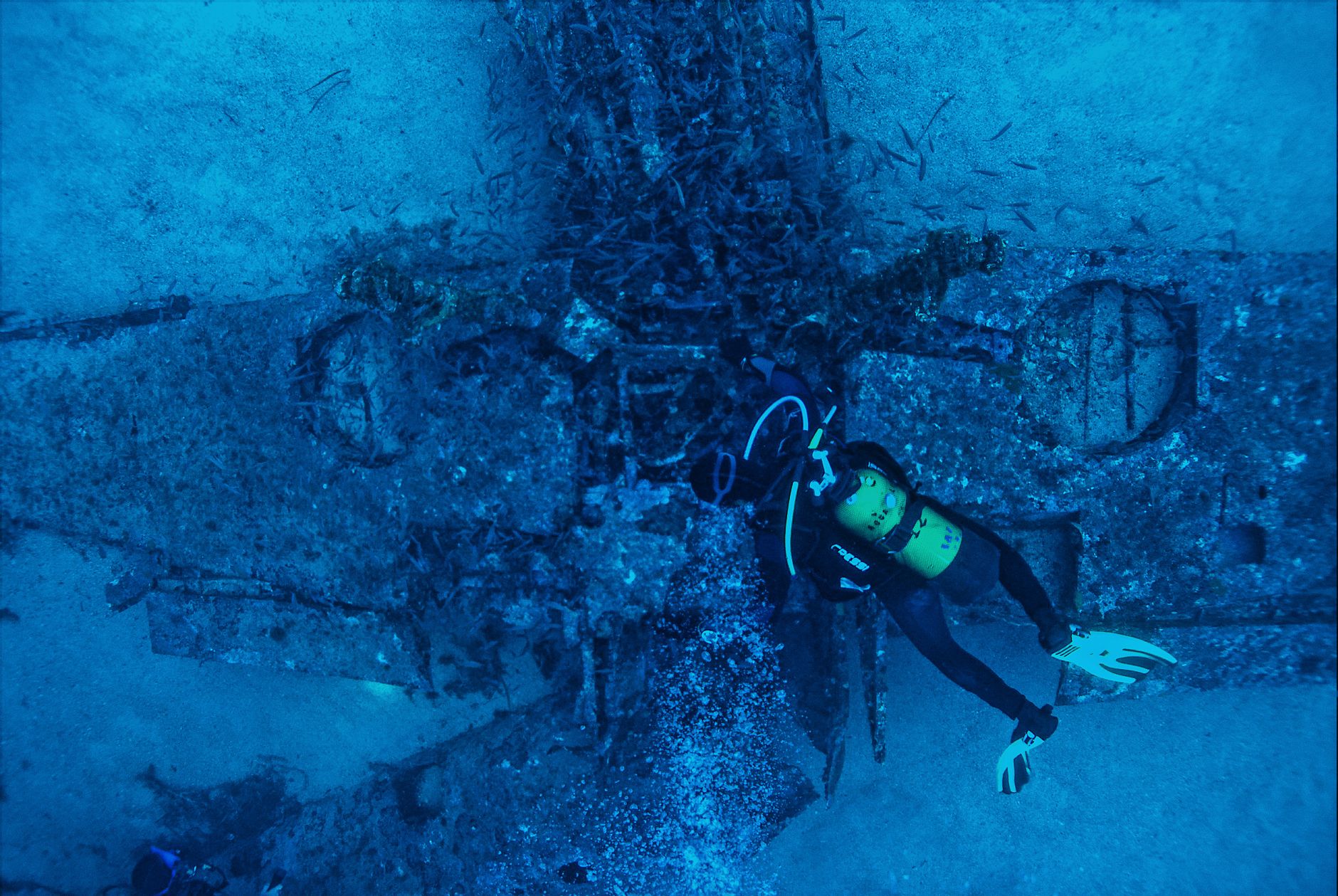
The Thunderbolt wreck sits near Montego Bay in about 80 feet of water. This deliberate wreck sinking created an incredible artificial reef. Divers encounter groupers, snappers, and octopuses exploring the ship's structure. The wreck dive requires intermediate certification and experience.
Negril's Bloody Bay Wall drops from shallow water to 2,000 feet in some areas. This dramatic wall dive offers encounters with large pelagic species. You might see eagle rays, spotted eagle rays, or barracuda. The wall starts in just 40 feet of water, making it accessible to most certified divers.
Port Antonio's Boston Bay provides excellent wall dives with strong current. The site features deep purple coral and plenty of gorgonians. Divers report seeing nurse sharks, sea turtles, and schooling fish. The area remains less crowded than western Jamaica sites.
Coral Reefs Around Ocho Rios
Ocho Rios offers shallow reef dives suitable for beginners and intermediate divers. The area features vibrant hard coral formations and colorful fish. Most dives start in 30 to 50 feet of water. You can reach most sites within a five-minute boat ride from shore.
The River Reef near Ocho Rios provides shelter from strong currents. This site works well for photographers wanting clear, calm conditions. You'll find brain coral, elkhorn coral, and soft corals. The reef supports large populations of parrotfish and angelfish.
South Coast Diving Around Black River
Jamaica's south coast remains underdeveloped for tourism, meaning fewer divers. Black River area provides access to pristine reefs with healthy fish populations. The water tends to be clearer than northern sites during summer months. Currents are generally mild, making these dives manageable for intermediate divers.
PRO TIP: Visit Jamaica's north coast from December through April for the best conditions. These months offer calm waters, excellent visibility, and comfortable diving temperatures. Avoid September through November when hurricane season brings unpredictable weather.
Scuba Diving for Beginners in Jamaica

Jamaica welcomes beginners with numerous shallow reefs and calm dive sites. The warm water temperature means you'll need minimal wetsuit protection. Most beginners find Jamaica's conditions comfortable and forgiving for learning.
Montego Bay's shallow reefs provide perfect beginner training grounds. Sites like Coral Cay stay in 20 to 40 feet of water. The sandy bottom offers excellent visibility, and coral formations create an exciting underwater landscape. Local dive operators frequently conduct open water certification courses at these locations.
Doctor's Cave Beach area in Montego Bay works well for first dives. This shallow site features small coral heads and abundant fish life. The protected beach location keeps waves and currents minimal. You can complete your first dive and walk back to shore within minutes.
Learning To Dive in Jamaica
Complete your PADI open water certification in Jamaica with experienced instructors. The certification process takes three to four days. You'll complete classroom sessions, confined water training, and open water dives. Many resorts offer certification courses as part of their dive packages.
The warm water and calm conditions make Jamaica ideal for certification training. Instructors can focus on proper technique without fighting cold or strong currents. You'll build confidence quickly on beginner-friendly sites. Most students feel ready for independent diving after their Jamaica certification course.
Bring a certification card or book if you already hold a beginner certification. Dive operators require proof of training before allowing you on guided dives. If you cannot find your card, dive centers can contact your training agency for verification. This process usually takes a few days, so plan accordingly.
PRO TIP: Schedule your certification course early in your Jamaica trip. This allows time for your card to be printed before you leave. Start with confined water training in a swimming pool or lagoon before heading to deep reef dives. This builds your skills safely with minimal pressure.
Snorkeling in Jamaica
Jamaica offers exceptional snorkeling for travelers who don't scuba dive. Shallow reefs sit close to many beaches throughout the island. You can see coral, tropical fish, and sea turtles in just 5 to 15 feet of water.
Montego Bay has numerous snorkeling spots accessible from shore. Coral Gardens features colorful coral formations in shallow water. You can snorkel directly from the beach without a boat. Bring your own gear or rent equipment from beachside vendors.
Negril's shallow reefs run parallel to Seven Mile Beach. Walk into the water and you'll encounter reef habitat within 50 feet of shore. Parrotfish, angelfish, and damselfish surround you immediately. The calm, clear water makes it perfect for families with children.
Snorkeling Tours and Operators
Book snorkeling tours through your hotel or local tour operators. Most tours last two to three hours and visit two or three different reefs. Tours include transportation, snorkel gear, and guidance from experienced crew members. Prices vary by location and operator, so request quotes from multiple companies.
Many snorkeling tours depart from Montego Bay and Ocho Rios daily. Tours often include lunch and drinks. Some operators combine snorkeling with visits to waterfalls or island attractions. Ask if your tour visits reef areas known for sea turtle encounters.
Port Antonio's snorkeling tours focus on calm, clear water locations. The area offers fewer crowded reefs than western Jamaica. You'll encounter vibrant marine life without battling other snorkelers. Tours operate year-round with departures in the morning and afternoon.
Dive Schools and Operators
Jamaica hosts numerous professional dive operators certified by international diving organizations. Look for operators with PADI or NAUI certifications. These organizations maintain strict safety and training standards. Operators display their certifications prominently in offices and on websites.
Resort dive shops operate at major hotels throughout Jamaica. These in-house operations offer convenience and safety protocols. They coordinate dives with resort schedules and often provide transportation to dive sites. Most resort dive shops accept both beginners and experienced divers.
Finding Reputable Dive Operators
Check online reviews on travel websites and diving forums before booking. Read recent reviews from certified divers describing their actual experiences. Look for consistent praise about safety procedures and equipment maintenance. Avoid operators with multiple complaints about faulty gear or unsafe practices.
Contact dive operators directly with questions about their experience and certifications. Ask how long they've operated in Jamaica and how many dives they conduct monthly. Request information about their guides' experience levels. Reputable operators answer questions thoroughly and never rush you through booking.
Verify that operators maintain proper insurance and liability coverage. Ask about their safety record and emergency procedures. Confirm they conduct pre-dive briefings explaining the site, hazards, and procedures. Safety should be their primary concern before profitability.
Dive Operator Services
Most dive operators offer single dives, multi-dive packages, and certification courses. Single dives cost roughly the same across Jamaica, with variation based on location and equipment. Package deals save money if you plan multiple dives during your stay.
Operators provide all necessary equipment including tanks, regulators, and buoyancy compensators. Bring your own mask and fins if you prefer your personal gear. Most operators rent underwater cameras for those wanting to photograph their dives. Book camera rentals in advance during peak season.
Breakfast dives depart early in the morning, reaching sites as daylight begins. Afternoon dives happen after lunch. Night dives illuminate nocturnal creatures and create a unique diving experience. Ask operators which sites they visit on specific days.
PRO TIP: Book dive packages before your Jamaica trip through travel websites or your hotel. Advance booking guarantees your spot during peak season and often saves money. Arrive at dive shops 30 minutes before your scheduled departure. Punctuality ensures the boat departs on time and maximizes your underwater time.
What You Will See Underwater
Jamaica's reefs support incredible biodiversity across numerous species. You'll encounter colorful fish, invertebrates, and reptiles on every dive. The ecosystem remains healthy in many protected areas thanks to conservation efforts.
Fish Species in Jamaica
Parrotfish are among the most common reef residents. These colorful fish nibble coral, producing sand in the process. You'll see parrotfish in bright blues, greens, and yellows. They vocalize audibly underwater, creating crunching sounds as they eat.
Angelfish display stunning patterns and colors throughout Jamaican reefs. Queen angelfish wear bright yellows and blues. French angelfish appear black with yellow stripes. These curious fish often approach divers, making for excellent photographs.
Groupers hide in coral crevices hunting smaller fish. Nassau groupers feature spotted patterns and can grow quite large. They demonstrate intelligence and sometimes recognize individual divers. Lobsters share similar habitats, hidden in caves and under overhangs.
Snapper schools swim in organized formations around deeper reefs. Tarpon inhabit shallow areas and can reach impressive sizes. Trumpetfish use camouflage to hide among coral branches before striking prey. You might see barracuda in deeper water, though they rarely threaten divers.
Turtles and Marine Reptiles
Green sea turtles and hawksbill turtles frequent Jamaica's reefs. These ancient reptiles graze on seagrass and coral. Encounter them moving slowly along the seafloor or drifting near the surface. Turtles are endangered, so maintain distance and never touch them.
Sea snakes appear occasionally in Jamaica's waters during warmer months. These venomous but docile creatures avoid divers. They drift with currents while hunting for fish. Never attempt to capture or closely approach sea snakes.
Coral and Invertebrates
Brain coral grows in massive formations creating an alien landscape. Elkhorn coral branches extend upward from the reef. Soft corals sway in current colors ranging from red to purple to yellow. Fire coral stings exposed skin, so avoid touching any coral.
Sea urchins cluster on reef surfaces eating algae and detritus. Long-spined urchins can pierce wetsuits with their spines. Watch your depth and positioning to avoid contact. Sea stars in multiple colors crawl across the reef hunting small organisms.
Octopuses hide in crevices during the day, emerging at night to hunt. You might spot one camouflaged against rocks or coral. These intelligent creatures can change color instantly. Cuttlefish display similar abilities and hunting strategies.
Sponges in numerous shapes and colors provide habitat for small fish. Anemones host clownfish and other symbiotic organisms. Shrimp and crabs utilize the reef's crevices for shelter. Seahorses hide in seagrass meadows if you search carefully.
PRO TIP: Bring an underwater camera or GoPro to capture Jamaica's marine life. Underwater photography helps you remember details later. Take photos from multiple angles to increase chances of capturing creatures. Avoid using flash, which startles animals and damages coral growth.
Best Time To Dive in Jamaica

Jamaica's best diving season runs from December through April. During these months, water remains warm at approximately 27°C. Visibility reaches 80 to 100 feet on most days. Ocean swells stay small, creating calm conditions for safe diving.
January and February offer the clearest water and calmest seas. Trade winds blow consistently, keeping the ocean surface smooth. Humidity drops compared to summer months. These months attract the most divers, so expect crowded dive sites and higher prices.
March and April provide excellent conditions with fewer crowds than January. Water temperature remains comfortable for extended bottom times. Spring break tourism increases traffic but dive sites still accommodate everyone. Book your dives several days in advance during these months.
Summer and Fall Diving Conditions
May through November represent Jamaica's off-season for diving tourism. Hurricane season begins in June, creating unpredictable weather. Strong currents and reduced visibility occur during tropical downpours. Some dive operators reduce services or close temporarily during peak hurricane season.
September and October present the highest hurricane risk. Many divers avoid Jamaica during these months due to weather uncertainty. Water temperature peaks around 29°C during late summer. If you do dive in summer, plan dives early in the day before afternoon thunderstorms develop.
Water clarity varies significantly during wet season months. Heavy rains wash sediment from rivers into coastal waters, reducing visibility. Some southern coast sites maintain better visibility than northern locations during rainy periods. Ask local operators about recent visibility conditions before booking.
Seasonal Marine Life Changes
Whale sharks occasionally visit Jamaica's waters during spring months. These gentle giants travel through Caribbean waters feeding on plankton. Encounters remain unpredictable but do happen. Ask your dive operator if whale sharks have been spotted recently.
Spawning seasons for groupers and other reef fish peak during spring months. Large aggregations of fish attract predators, creating spectacular diving opportunities. Seasonal moon phases influence spawning timing. Your dive guide can explain when peak spawning occurs.
Frequently Asked Questions
What Certification Do I Need To Scuba Dive in Jamaica?
You need a minimum PADI Open Water or equivalent certification from any recognized diving organization. Divers without certification can complete a certification course in Jamaica over three to four days. Bring your certification card or proof of training from your certifying agency. If you cannot locate your card, dive operators can contact your agency for verification. This verification process takes several days, so plan accordingly if you need certification confirmation.
How Much Does It Cost To Go Scuba Diving in Jamaica?
Scuba diving costs vary based on operator, location, and included services. Single guided dives range in price depending on your chosen operator and site location. Multi-dive packages offer better value than booking individual dives. Certification courses cost more than recreational dives. Contact operators directly for current pricing information, as costs fluctuate seasonally and by business. Many resorts offer dive packages combining lodging with multiple dives.
Is Jamaica Scuba Diving Safe for Beginners?
Jamaica provides excellent conditions for beginner divers with warm water and calm shallow reefs. Most dive operators cater to beginners with appropriate site selection and experienced guides. Stick to certified operators with proper safety procedures and equipment maintenance. Always follow your guide's instructions and dive within your certified limits. Beginner dives in Jamaica succeed because of favorable conditions and professional instruction available throughout the island.
What Should I Bring for Scuba Diving in Jamaica?
Bring your certification card or training book as proof of your credentials. Pack a mask that fits properly and fins matching your shoe size. Bring any personal dive computer or underwater camera equipment. Sunscreen, a hat, and reef-safe insect repellent protect you before and after diving. Most operators provide tanks, regulators, BCDs, and wetsuits. Bring medications you may need and any personal items for comfort during your trip.
Can I Snorkel Instead of Scuba Dive in Jamaica?
Yes, Jamaica offers exceptional snorkeling in shallow waters near numerous beaches. You can snorkel directly from shore at Negril and Montego Bay. Many operators offer snorkeling tours visiting multiple reef sites. You'll see tropical fish, coral formations, and occasionally sea turtles. Snorkeling requires no certification and costs significantly less than scuba diving. Families with young children often prefer snorkeling as a safer alternative to diving.