Last updated:
Jamaica parking transport and getting around the island requires planning and smart choices. This 10,991 km² island has several ways to move between destinations. You can rent a car, use taxis, or try public buses. Each option offers different advantages depending on your budget and travel style.
The main entry point is Norman Manley International Airport in Kingston. From there, you can reach the north coast beaches in about three hours. Transportation options vary widely across Jamaica. Popular tourist areas like Montego Bay, Negril, and Ocho Rios have excellent services. Rural areas have fewer options and less regular schedules.
Car Rental in Jamaica
Renting a car gives you complete freedom to explore Jamaica. You can visit remote beaches, mountain villages, and hidden waterfalls. Major international companies operate at Norman Manley International Airport. Local rental companies also serve the island and often charge less. You need a valid driver's license from your home country.
Most rental companies require you to be 21 or 25 years old. Younger renters may pay higher insurance fees. You must provide a valid credit card for the security deposit. Insurance is mandatory on every rental. Comprehensive coverage protects against theft and damage.
Parking in Jamaica presents real challenges in cities and towns. Kingston and Montego Bay have limited street parking. Hotels typically offer free parking for guests. Many attractions have small parking areas that fill quickly during peak season. Always lock your vehicle and remove valuables from sight. Never leave bags, phones, or cameras visible inside the car.
Parking fees exist at some commercial areas and beaches. Port Antonio and Negril have paid parking lots near main attractions. Rates vary but typically cost a few hundred Jamaican dollars. Ask your hotel about safe parking options. Many accommodations provide secure parking areas behind gates or in lots.
PRO TIP: Book your rental car in advance during December through April when prices spike. Local rental companies often offer better rates than international chains. Always inspect the vehicle thoroughly before accepting it and document any existing damage with photos.
Taxis in Jamaica
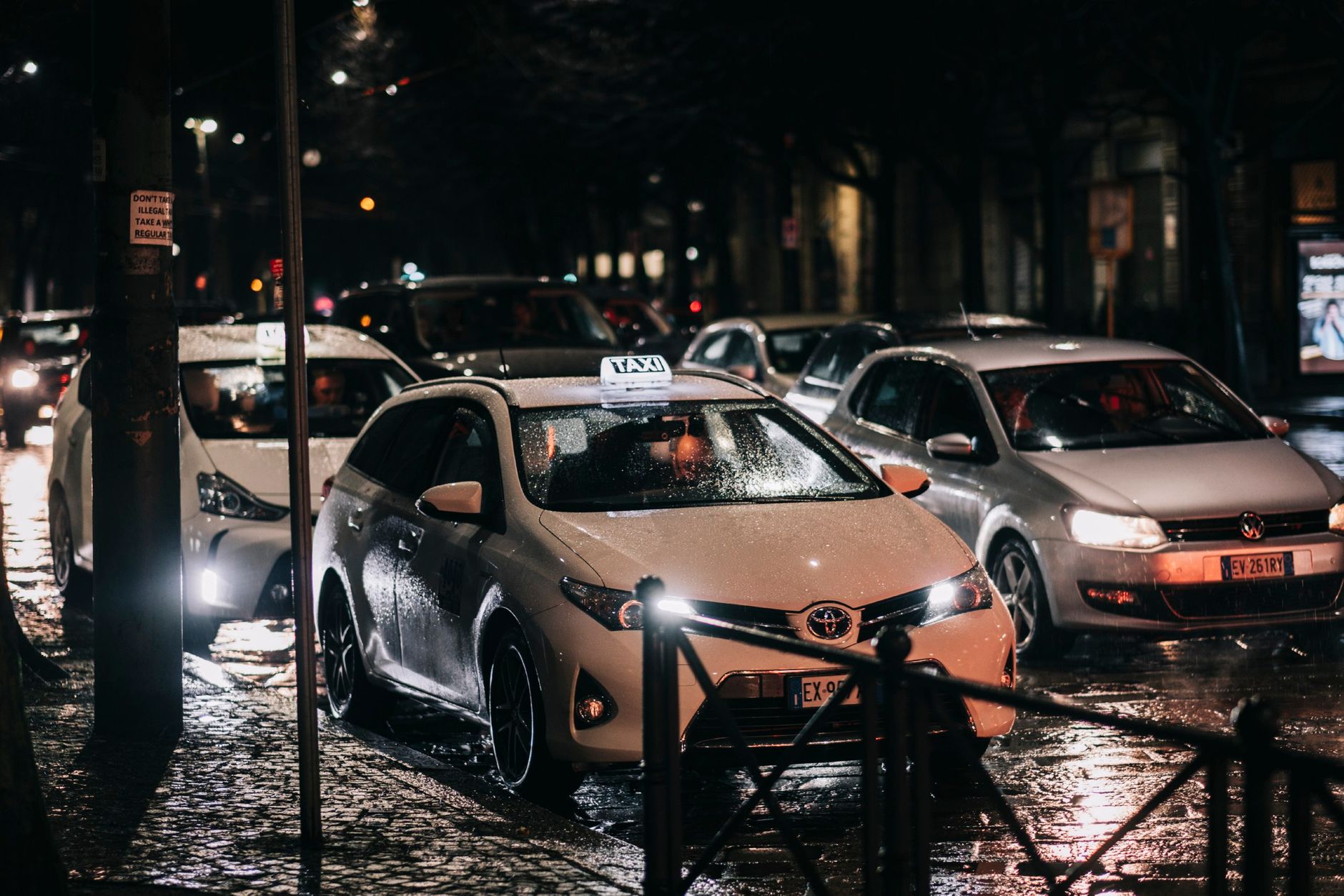
Taxis operate throughout Jamaica in cities, towns, and tourist areas. Licensed taxis are red and display a PP license plate. Unlicensed taxis exist but carry more risk. Always use official taxis from established ranks or hotels. Airport taxis have fixed rates to major destinations.
Negotiate fares before entering the vehicle if no meter runs. Most drivers will quote prices upfront if asked directly. Many visitors arrange airport transfers through their hotels before arriving. This ensures a reliable ride at a fair price. Ride-sharing apps operate in Montego Bay and Kingston but have limited coverage.
Taxi drivers often share local knowledge about attractions and food-restaurants. They can recommend places tourists typically miss. Tipping is not mandatory but appreciated. Most drivers appreciate rounding up to the nearest hundred dollars. Long journeys sometimes warrant larger tips for exceptional service.
Travel with your hotel address written down or saved on your phone. Show drivers exactly where you need to go. Ask hotel staff for realistic fare estimates before departing. This prevents overcharging and helps you budget transportation costs. Evening taxi rides should be arranged through your accommodation when possible.
Public Transport Options
Jamaica's public transit system includes buses, minibuses, and route taxis. These vehicles serve most towns and connect major destinations. Buses are cheap but often crowded during peak hours. Minibuses and route taxis run specific routes and pick up passengers anywhere along the way.
Route taxis are shared vans that seat eight to fourteen passengers. They depart when full rather than on fixed schedules. This makes travel times unpredictable. Route taxis cost significantly less than regular taxis. You pay the driver when exiting rather than at entry.
Major bus stations operate in Kingston, Montego Bay, and Mandeville. Knutsford Express provides longer distance routes between cities. These buses are air-conditioned and more comfortable than local buses. Tickets cost more than minibuses but offer predictable departure times. Book tickets in advance during peak season.
Local buses are colorfully painted and provide the cheapest transportation. They operate irregular schedules and make frequent stops. Most routes center on Kingston and other major towns. Buses rarely run on time but offer authentic local experiences. Pickpockets target crowded buses so keep valuables secure.
Getting Around Jamaica on a Budget

Budget travelers can explore Jamaica affordably using public transportation. Route taxis cost between 50 and 150 Jamaican dollars for short trips. Longer routes from Montego Bay to Ocho Rios cost 200 to 300 dollars. Staying in guesthouses and eating at local restaurants maximizes your budget further.
Mix transportation methods to balance cost and convenience. Use public buses for inter-city travel and taxis for airport transfers. This approach costs significantly less than renting a car. Group travel makes taxis more economical when splitting costs. Three or four people sharing a taxi often costs less than individual bus fares.
Accommodation in Kingston costs less than tourist beach towns. Traveling during off-peak months (May through November) reduces all costs. Hotels, taxis, and restaurants charge premium prices during December through April. Budget travelers save substantially by visiting during shoulder seasons.
Walk to nearby attractions whenever safe and feasible. Most beach towns like Negril are compact enough for walking. Street food vendors offer cheap meals comparable to restaurant prices. Food courts in shopping centers provide options at various price points. Stick to bottled water in tourist areas and established restaurants.
PRO TIP: Purchase a transportation pass if staying in Kingston for multiple days. Local buses offer discounted multi-trip tickets. Ask your hotel about weekly or monthly passes for route taxis in your area. These passes typically save 20 to 30 percent on transportation costs.
Driving in Jamaica: What To Know
Driving in Jamaica requires confidence and caution. The island drives on the left side of the road. Road conditions vary significantly between main highways and rural areas. Major highways are well-maintained but congested near cities. Secondary roads can have potholes and poor surface conditions.
Speed limits range from 30 kilometers per hour in towns to 80 kilometers per hour on highways. Police enforce speed limits with radar and traffic stops. Seatbelts are mandatory for all passengers. Cell phone use while driving is illegal. Your international driver's license must accompany your passport.
Traffic moves chaotically in Kingston and Montego Bay. Drivers often ignore lane markings and traffic signals. Expect sudden stops and aggressive overtaking. Never drive during heavy rain as flooding occurs quickly. Visibility decreases rapidly and water covers roads without warning.
Parking in cities requires paying attention to marked spaces and security. Street parking in Kingston is risky due to theft. Use hotel parking whenever available. Commercial parking lots exist near shopping centers. Rates are reasonable at established facilities.
Fill your gas tank regularly as stations become sparse in rural areas. Unleaded gasoline is standard on the island. Most rental cars require unleaded fuel. Keep some cash as not all stations accept credit cards. Emergency numbers are 110 for police and 119 for ambulance services.
Night driving outside major towns is dangerous. Poorly lit roads and unexpected obstacles create hazards. Animals sometimes cross highways unexpectedly. Avoid driving after dark unless absolutely necessary. Plan arrivals before sunset when possible. Tourist police operate on main highways and provide assistance.
Scooter and Bike Rental
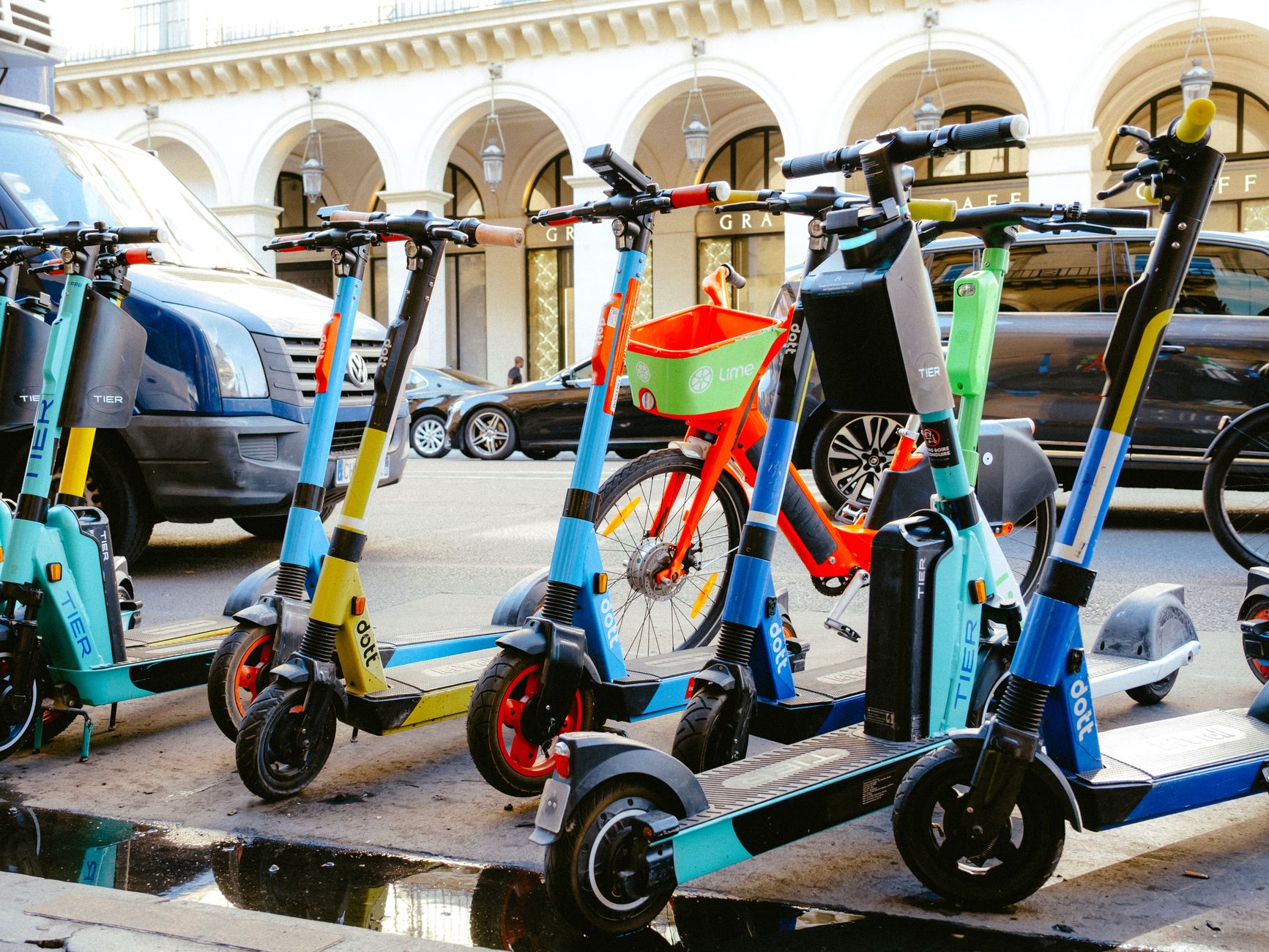
Scooter rentals are available in Montego Bay, Negril, and Ocho Rios. Daily rates are reasonable and cheaper than car rentals. Helmets are mandatory and rental companies provide them. Many travelers underestimate Jamaica's traffic and road dangers. Scooters require more caution than cars in local traffic conditions.
Mountain biking opportunities exist in the Blue Mountains. Several tour operators rent bikes and guide tours. Trails range from beginner to advanced difficulty. Guided tours include transportation and lunch. This option works well for adventurous travelers seeking outdoor experiences.
Beach towns have bicycle rental shops catering to tourists. Riding on flat terrain near beaches is relatively safe. Always wear a helmet even for short distances. Bikes are perfect for exploring compact areas like Negril. Lock your bike securely when parked.
Scooters require an international motorcycle license or endorsement. Your home country's motorcycle endorsement must appear on your license. Insurance requirements vary by rental company. Ask about coverage details before signing rental agreements. Accidents on scooters can result in serious injuries on unfamiliar roads.
PRO TIP: Rent scooters or bikes only if you have significant experience riding in developing nations. Jamaican traffic is unpredictable and road conditions variable. Stay on main roads and avoid traveling at night. Wear protective gear including helmets, long pants, and closed shoes.
Frequently Asked Questions
Is It Safe To Drive a Rental Car in Jamaica?
Driving in Jamaica is relatively safe if you exercise caution and common sense. Major highways are well-maintained and police presence is visible. However, aggressive driving is common, roads can have potholes, and visibility is poor during rain. Avoid driving at night outside major cities, stay alert at all times, and follow speed limits. Most tourists drive without incidents when driving defensively and using established routes.
What Is the Best Way To Get From Montego Bay Airport To My Hotel?
Arrange airport transportation through your hotel before arrival. This ensures a reliable driver and fair pricing. Alternatively, use licensed taxis from official airport ranks with posted rates. Rental car companies operate at the airport if you prefer driving yourself. Ride-sharing apps work in Montego Bay but coverage is limited. Never accept rides from unofficial drivers outside the airport terminal building.
Can I Use My Home Country Driver's License To Rent a Car?
Yes, your valid driver's license from your home country works for rental purposes. Most rental companies accept international licenses. However, carry your passport as proof of identity. Your license must be valid for the entire rental period. Some companies require a minimum age of 25 years old, though younger drivers can rent for additional insurance fees.
How Much Does a Taxi Cost From Kingston Airport To Downtown Kingston?
Licensed taxis from Norman Manley International Airport have fixed rates to downtown Kingston. Expect fares between 1,500 and 2,500 Jamaican dollars depending on destination. Agree on the price before entering the vehicle if the driver doesn't use a meter. Hotel transfers arranged in advance often cost less. Sharing a taxi with other travelers further reduces individual costs.
Are Buses Reliable for Traveling Between Different Cities in Jamaica?
Long-distance buses are more reliable than local buses and route taxis. Knutsford Express operates scheduled service between major cities with air-conditioned buses. Departure times are generally dependable for longer routes. Local buses and minibuses run irregular schedules and wait until full before departing. Allow extra travel time when using public transportation. Book express bus tickets in advance during tourist season.