
Last updated:
Jamaica Food and Dining: an Island Culinary Journey
Jamaica offers some of the Caribbean's most exciting flavors and authentic culinary experiences. The Jamaica food dining scene blends African, European, Indian, and Caribbean influences into unforgettable dishes. Every meal tells a story of the island's rich cultural heritage. Fresh seafood, tropical fruits, and bold spices define what you'll eat here.
Visitors discover everything from casual beach shacks to elegant restaurants in Kingston and Montego Bay. The island's location in the Greater Antilles gives it unique access to incredible ingredients. Local cooks use recipes passed down through generations. You can eat at world-class establishments or grab authentic street food for just a few dollars. Jamaica truly offers dining for every budget and preference.
Local Food in Jamaica You Must Try

Ackee and Saltfish represents Jamaica's national dish. This combination features ackee fruit (which looks like scrambled eggs) paired with salted codfish. The dish appears on breakfast tables across the island. Locals serve it with fried dumplings, boiled green bananas, or toast. The flavors are mild and slightly buttery. First-time visitors often become instant fans of this iconic meal.
Rice and Peas appears at almost every Jamaican meal. Cooks prepare this dish using rice, kidney beans, and coconut milk. Thyme and garlic give it wonderful flavor. Families serve it at celebrations and daily dinners. The combination of rice and beans provides complete protein. You'll find variations across different parishes throughout Jamaica.
Jerk Chicken and Jerk Pork showcase the island's most famous cooking method. The jerk technique involves marinating meat in a spice blend and grilling it over pimento wood. Scotch bonnet peppers, allspice, ginger, and thyme create the distinctive heat and flavor. The result is smoky, spicy, and absolutely delicious. Boston Beach near Port Antonio remains the jerk capital of Jamaica.
Jamaican Patties are fried pastries filled with seasoned ground beef, chicken, or vegetables. These hand-held snacks cost very little and taste amazing. The crispy crust gives way to a spiced filling. You can buy patties at bakeries, markets, and street vendors. They make perfect lunch items or quick snacks.
Escovitch Fish features fried whole fish topped with a spicy vinegar sauce. Onions, peppers, and carrots make up the colorful topping. The dish balances crispy fish with tangy, spicy flavors. Coastal towns prepare this dish especially well. Locals often enjoy it with fried bammy (cassava bread).
Callaloo is a green leafy vegetable similar to spinach. Cooks prepare it with coconut milk, onions, and spices. This nutritious side dish appears at most meals. It's mildly flavored and pairs well with almost any main course. Traditional recipes sometimes add salted pork for extra flavor.
Run Down is a creamy dish made with salted mackerel and green bananas cooked in coconut milk. The name describes how the ingredients "run down" together. It's comfort food at its finest. This dish appears more often in rural areas than tourist zones. Try it at local restaurants for an authentic experience.
PRO TIP: Visit local markets early in the morning to see where Jamaicans buy their ingredients. This gives you insight into what makes the food so fresh and authentic.
Best Restaurants in Jamaica
Norma at the Wharfside in Kingston offers elevated Caribbean cuisine in a waterfront location. Chef Norma Shirley pioneered fine dining in Jamaica. The restaurant showcases local ingredients prepared with modern techniques. Reservations are essential. The setting feels sophisticated yet welcoming. Diners enjoy views of the harbor while tasting innovative dishes.
The Pint Room in Montego Bay combines craft beer with excellent food. The menu features modern interpretations of Jamaican classics. Wood-fired grilling adds depth to every dish. The atmosphere is casual and friendly. This spot attracts both tourists and local food lovers.
Evita's Italian Restaurant sits on a hillside in Falmouth with panoramic views. Despite the Italian name, chef Evita cooks Caribbean Italian fusion. Her fresh pasta and seafood preparations are outstanding. The homemade ice cream is a must-try dessert. The sunset views from the terrace are spectacular.
Bloomingfield is a boutique restaurant in Negril focusing on farm-to-table dining. The chef works with local farmers to source ingredients. Creativity shines in every plate. The intimate setting works perfectly for couples. Vegetarian and vegan options are always available and delicious.
Three Palms Restaurant and Bar in Port Antonio brings contemporary Caribbean cooking to a historic setting. The chef blends traditional flavors with modern plating. Fresh seafood from local fishermen features prominently. The dining room overlooks the Caribbean Sea. Service is attentive and professional.
Scotchies operates locations in Montego Bay and Negril and specializes in jerk cuisine. These casual spots are perfect for trying authentic jerk in a relaxed environment. The wood-fired grills create incredible aromas. Locals eat here as often as tourists do. Prices are very reasonable.
Fine Dining in Jamaica

Jamaica's fine dining scene has grown tremendously in recent years. Upscale restaurants concentrate mainly in Kingston, Montego Bay, and Negril. Chefs combine international training with Caribbean heritage. Most fine dining establishments source ingredients locally. The dress code at these restaurants is typically smart casual or formal.
Terra Nova All Suite Hotel in Kingston houses an excellent restaurant. Executive chefs prepare Caribbean and international cuisine with precision. The setting is elegant and the service impeccable. Reservations should be made in advance. The wine selection is impressive for the region.
Round Hill Hotel and Villas near Montego Bay offers refined dining experiences. The beachfront setting provides an romantic atmosphere. Fresh seafood and Jamaican specialties dominate the menu. The hotel's heritage and reputation ensure top-quality service. Guests dress smartly for dinner.
Verandah Restaurant in Montego Bay focuses on contemporary Caribbean cooking. The chef's training in Europe shows in plating and technique. Local, seasonal ingredients appear in constantly changing menus. The ambiance feels both sophisticated and comfortable. The bar offers excellent cocktails featuring rum from across the Caribbean.
PRO TIP: Call ahead to fine dining restaurants and ask about special tasting menus or chef's selections. Many will create custom experiences if you mention dietary preferences or allergies.
Budget Eating in Jamaica
Eating delicious food in Jamaica doesn't require spending lots of money. Local eateries, called "cook shops," serve authentic Jamaican meals at low prices. These casual spots are where Jamaicans eat every day. You'll find cook shops in every town and village. They open early for breakfast and serve until late afternoon.
Breakfast Options represent some of the best budget values. Ackee and saltfish with fried dumplings costs just a few dollars. Johnny cakes (fried cornmeal cakes) pair well with salt fish or cheese. Boiled food consisting of green bananas, yams, and dumplings fills you up affordably. Jamaican cocoa tea (hot chocolate) completes the meal perfectly.
Lunch Meals typically include a protein, a starch, and a vegetable. Chicken and rice with stewed vegetables is popular and inexpensive. Liver, goat, or beef stew served with mashed potatoes is filling. Most cook shops allow you to mix and match items. Portions are large, so one meal often lasts all day.
Dinner Items feature many of the same options as lunch. Escovitch fish with fried bammy is tasty and affordable. Boiled fish with taro and okra offers nutritious variety. Beef or chicken soup with provisions (root vegetables) is warming and cheap. Most cook shops charge between 200 and 500 JMD per plate.
Patty Shops are found everywhere and cost almost nothing. A meat patty runs around 100 to 150 JMD. You can build a meal with a patty, a drink, and a piece of fruit. These portable options work perfectly when you're exploring. Coco bread (sweet coconut bread) sold alongside patties is addictive.
Fruit and Juice Stands offer incredible value. Fresh coconut water straight from the nut costs just 50 JMD. Mango, passion fruit, and pineapple juices are freshly made. The juices are thick and creamy rather than watered down. These stands appear on streets and in markets throughout the island.
Street Food and Local Markets in Jamaica Food and Dining Culture
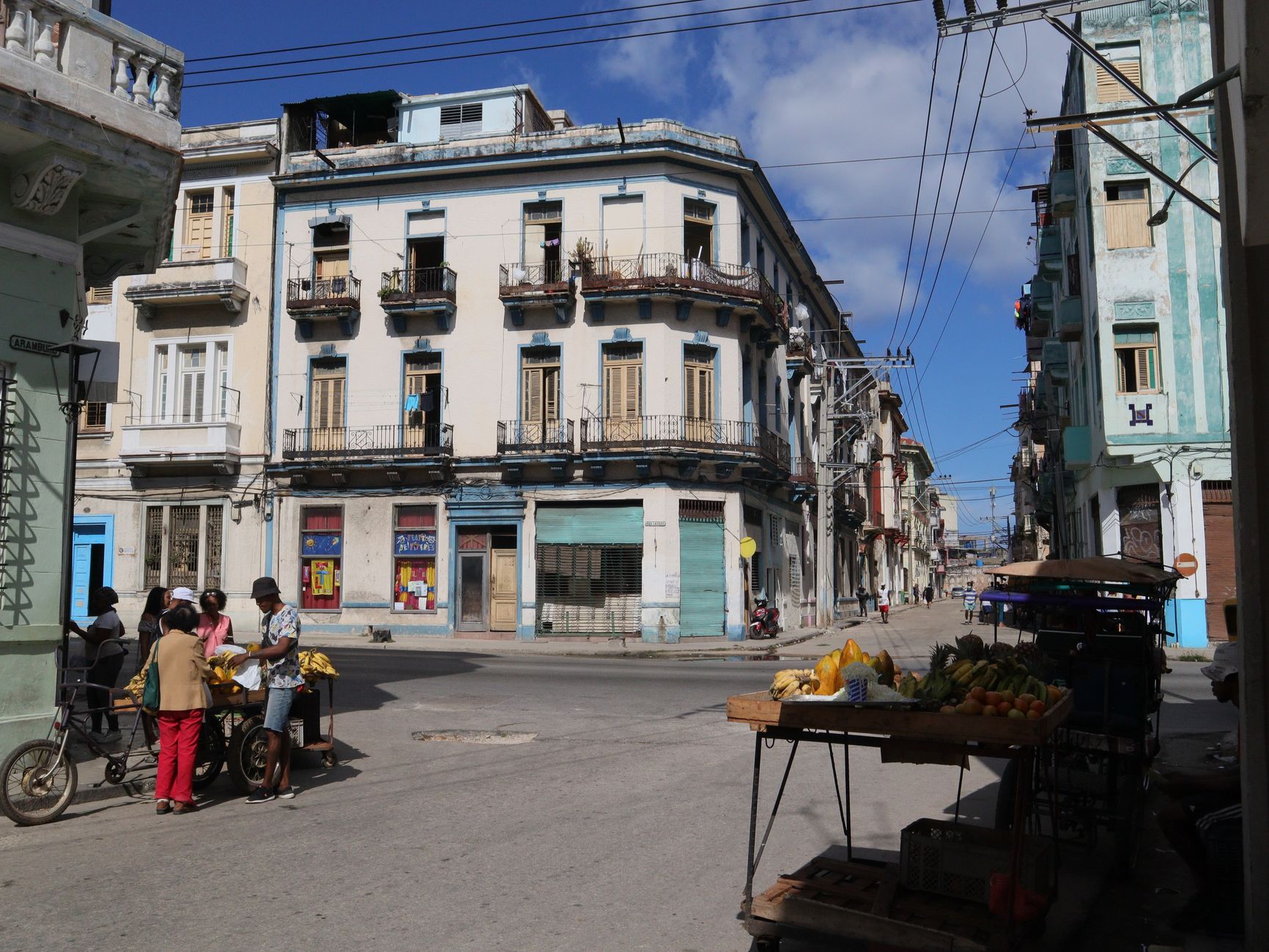
Street food represents the heart and soul of Jamaican food dining culture. Vendors line beaches, roadsides, and markets with delicious, affordable options. These foods are cooked fresh throughout the day. Eating street food connects you directly with local culture. Don't miss the opportunity to eat where Jamaicans eat.
Roasted Corn and Fish are Jamaican beach staples. Vendors grill corn on the cob and brush it with butter and seasoning. Roasted fish (usually snapper or barracuda) comes with a squeeze of lime. The charred flavors are incredible. These vendors set up in the late afternoon near popular beaches.
Fried Dumplings and Festivals are hand-held carbs that go with everything. Dumplings are boiled or fried dough. Festivals are fried cornmeal cakes. Both appear alongside fish or other proteins. Street vendors sell them individually or by the bag. They're perfect snacking food.
Pepper Shrimp is a spicy Jamaican delicacy sold at street stalls and beaches. Vendors fry whole shrimp and coat them in hot pepper sauce. The shells are edible when fried correctly. Scotch bonnet peppers give them serious heat. This is adventurous eating at its finest.
Jamaican Markets offer incredible produce, spices, and prepared foods. Coronation Market in Kingston is the largest and most famous. Vendors sell everything from tropical fruits to fresh herbs. The energy and activity are astounding. You can buy ingredients to cook or prepared meals to eat.
Sunday Markets pop up in towns across the island on Sundays. These weekly markets feature farmers selling their best produce. You'll find unusual fruits and vegetables not available elsewhere. Prepared foods and baked goods are sold fresh. Going to a Sunday market is an essential cultural experience.
Fish Cakes are another must-try street food. These battered, fried fish patties have spicy pepper sauce inside. Street vendors sell them hot from the fryer. They're messy to eat but absolutely delicious. Try them at beaches near Montego Bay or Negril.
Mannish Water is a traditional soup sold on weekends at street stalls. This spicy soup is made with goat and vegetables. It's considered restorative and building. The flavor is strong and the spice level is high. You'll find it in markets and at weekend gatherings.
PRO TIP: Always ask street vendors what's fresh that day. Show interest in their products and they'll often give you recommendations and extra helpings.
Food Allergies and Dietary Needs
Communicating your dietary needs requires planning in Jamaica. The official languages are English and Jamaican Patois. English speakers will have no trouble explaining allergies. For Patois speakers, learning a few key phrases helps. "I cannot eat..." and "I am allergic to..." are useful.
Nut Allergies require careful attention. Coconut milk and coconut features heavily in Jamaican cooking. Many dishes contain peanuts or tree nuts. Always inform servers and chefs about nut allergies. Fine dining restaurants handle special requests better than casual spots.
Seafood Allergies mean avoiding popular dishes like escovitch fish and run down. Fish and shellfish appear in many Jamaican meals. Always ask about ingredients before ordering. Many non-seafood options exist throughout Jamaica.
Vegetarian and Vegan Options are increasingly available at restaurants. Rice and peas works for vegetarians and vegans. Callaloo (without pork) is also suitable. Many restaurants will prepare vegetable stews and side dishes. Fine dining establishments handle plant-based requests especially well.
Gluten-Free Needs require attention since many traditional dishes contain gluten. Fried dumplings and festivals contain flour. However, many proteins and vegetables are naturally gluten-free. Boiled food dishes often work for gluten-free diets. Always communicate this need clearly to kitchen staff.
Lactose Intolerance can be managed since many Jamaican dishes don't rely heavily on dairy. Coconut milk replaces cow's milk in many recipes. Ask servers whether dishes contain cheese or butter. Fruits and lean proteins offer safe alternatives.
At Supermarkets you'll find products for special diets. Supermarkets in Kingston, Montego Bay, and Negril carry international foods. All-inclusive resorts inform staff about dietary restrictions. Communicate your needs at check-in for best results. Most accommodations will work hard to accommodate you.
Frequently Asked Questions

What Is the Most Popular Dish in Jamaica?
Ackee and saltfish is Jamaica's national dish. This iconic combination features ackee fruit (a creamy, egg-like fruit) paired with salted codfish. Locals serve it with fried dumplings, boiled green bananas, or toast. The mild, buttery flavors have made it beloved for generations. Most visitors try this dish during their first breakfast in Jamaica. It's available everywhere from street vendors to fine dining restaurants.
Is Tap Water Safe To Drink in Jamaica?
Tap water is generally safe in major tourist areas and cities like Kingston and Montego Bay. Water treatment systems in these areas meet safety standards. However, rural areas may have less reliable water infrastructure. Bottled water is widely available and inexpensive. Many visitors prefer bottled water to be safe. Ask your accommodation about local water quality. Most hotels provide complimentary bottled water to guests.
What Is the Best Time To Visit Jamaica for Food and Dining?
December through April offers the best weather and most food-focused festivals. These dry months bring comfortable temperatures around 27°C. Many restaurants operate at full capacity. Fresh seasonal ingredients reach their peak during these months. Hurricane season runs June through November, which affects tourism. Local food festivals often occur during the winter months. Plan your culinary trip during this optimal season for best experiences and variety.
Can I Eat Raw Vegetables and Fruits Safely in Jamaica?
Yes, you can safely eat raw vegetables and fruits purchased from markets and reputable vendors. Wash produce thoroughly before eating. Peel fruits yourself for maximum safety. Avoid pre-cut fruits unless sold by trustworthy establishments. Salads from fine dining restaurants are completely safe. Street vendors selling whole fruits are generally safe. Use common sense and wash your hands before eating fruits and vegetables.
What Are Jamaica's Most Famous Beverages?
Jamaican rum is world-renowned and appears in many cocktails. Appleton Estate and Mount Gay produce excellent rums. Fresh fruit juices (mango, passion fruit, pineapple) are delicious and everywhere. Jamaican cocoa tea is thick, warm hot chocolate served at breakfast. Coconut water straight from the nut is refreshing. Red Stripe and Guinness are popular beers. Ginger beer, made from ginger root, is spicy and traditional. Coffee is also excellent, especially Blue Mountain Coffee from the island's mountains.