
Last updated:
Jamaica Weather by Month
Jamaica sits in the tropical zone year-round. The island experiences warm temperatures throughout every month. December through April brings the driest weather and coolest temperatures. These months receive the least rainfall and offer the most sunshine.
May through November marks the warmer season. Temperatures rise slightly, and humidity increases during these months. This period brings afternoon showers and occasional storms. Hurricane season officially runs June through November, though storms remain relatively rare.
January is the coolest month, averaging 24°C at night. August and September tend to be the hottest months. June and October receive the most rainfall during the year. Pack light clothing for any month you visit Jamaica.
Morning temperatures stay pleasant even in summer months. The ocean breeze cools coastal areas throughout the day. Higher elevation areas feel noticeably cooler than beach towns. Montego Bay and Negril stay warmer than inland regions.
Peak Season in Jamaica

December through April represents peak tourist season in Jamaica. Holiday travelers arrive in December and stay through early January. Winter breaks bring families with children to island resorts. Spring breakers fill accommodations in March and April.
Dry weather defines the peak season months. Rainfall drops to minimal levels from January to March. Sunshine dominates the sky during these months. Ocean conditions remain calm and perfect for water activities.
Hotels and resorts charge premium rates during peak season. Room prices increase 50 to 100 percent compared to summer rates. Popular beaches become crowded with visitors. food-Restaurants and attractions operate at full capacity during these months.
Book accommodations three to four months in advance for peak season. Popular all-inclusive resorts fill quickly during December and January. Flights cost more during holiday and spring break periods. Early booking secures better prices and wider room selection.
December brings cooler temperatures and holiday festivities. January offers perfect weather without holiday crowds. February remains dry with comfortable temperatures. March and April warm slightly but still maintain ideal conditions.
PRO TIP: Book peak season travel during off-peak months. Reserve December trips in September. Plan March visits in December. Early bookings often include discounts.
Shoulder Season: Best Value
May and November represent shoulder season in Jamaica. These months fall between peak season and rainy season. Hotel rates drop significantly during shoulder months. You'll find 20 to 30 percent savings on accommodations.
May offers mostly dry weather despite being technically pre-rainy season. Afternoon showers occur less frequently in early May. Late May brings increased humidity and occasional storms. Temperatures range from 26°C to 31°C throughout the month.
November transitions out of hurricane season as it ends officially. Early November sometimes experiences brief showers from seasonal transitions. Late November brings increasingly dry conditions. Temperatures cool from early 30s Celsius to mid-20s.
Beaches remain less crowded during shoulder season months. You'll enjoy shorter waits at restaurants and attractions. Tour operators offer smaller group sizes during these periods. Personal service improves when tourism numbers drop.
Weather remains generally favorable for outdoor activities. Swimming and snorkeling conditions stay excellent during both months. Water temperatures reach 28°C to 29°C. Occasional showers refresh the landscape and provide breaks from heat.
Rainy Season in Jamaica

June through November brings Jamaica's rainy season officially. This period includes hurricane season from June to November. The island receives the most precipitation during these months. Rain typically falls in afternoon downpours rather than all-day drizzle.
Hurricane risk exists but remains relatively low. Jamaica lies south of the main hurricane belt. The island experiences fewer direct hits than other Caribbean locations. Strong storms remain possible but not guaranteed during season.
Rainfall varies by location across the island. Windward coasts receive more rain than leeward sides. Montego Bay receives less rain than Port Antonio. Higher elevation areas see more precipitation than coastal zones.
Rainy season brings the lowest accommodation prices of the year. Hotels offer 40 to 60 percent discounts during summer months. Room rates continue dropping from July through September. Rates begin rising again in October and November.
The landscape becomes lush and green during rainy season. Tropical plants flourish with increased moisture. Waterfalls flow stronger with abundant rainfall. Nature enthusiasts appreciate the verdant island appearance during these months.
Pack waterproof gear including rain jackets and quick-dry clothing. Bring an umbrella or rain poncho for outdoor excursions. Waterproof bags protect electronics during afternoon showers. Quick-drying shoes work better than regular sneakers.
PRO TIP: Rainy season showers last 30 to 90 minutes typically. Plan activities for mornings when weather is drier. Afternoon downpours cool the island and clear crowds. Many attractions remain open during brief rain periods.
Best Time To Visit Jamaica for Families
December through February works best for families visiting Jamaica. School holidays and winter breaks align with peak season. Children enjoy dry weather perfect for beach days. Calm ocean conditions make water activities safer.
March and April appeal to families seeking slightly lower prices. Spring break periods bring families to resorts across Jamaica. Easter holidays mark another popular family travel window. Weather remains excellent during both months.
Family-friendly resorts like Montego Bay's all-inclusive properties welcome children. These facilities offer kids' clubs and supervised activities. Negril beaches provide calm, shallow waters perfect for young swimmers. Ocho Rios features family attractions including Dunn's River Falls.
Pack sunscreen with SPF 50 or higher for children. Lightweight, breathable clothing keeps kids cool and comfortable. Bring water shoes to protect feet on rocky beaches. Hat and sunglasses provide essential sun protection for young visitors.
Jamaica requires no visa for most family travelers. Children need valid passports but not separate visas. Passport validity must extend at least six months beyond travel dates. Return ticket confirmation speeds up immigration processing.
Avoid September and October if possible when rainy season peaks. August brings increased humidity that affects young children. Heavy rainfall can cancel outdoor activities and beach days. Tropical storms create unsafe ocean conditions in September.
Best Time To Visit Jamaica for Diving
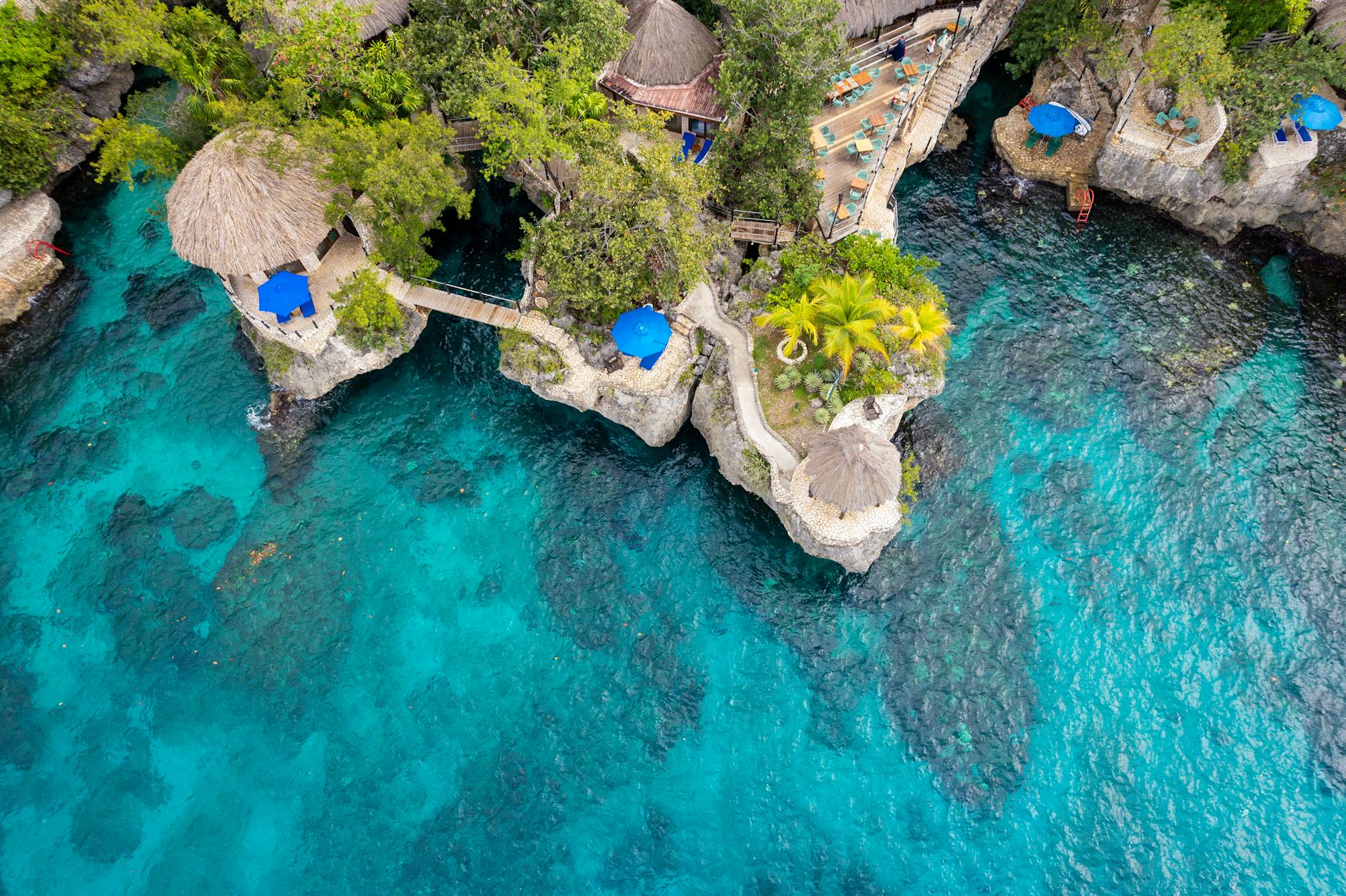
Jamaica offers excellent scuba diving year-round thanks to warm waters. December through April provides the clearest water conditions. Underwater visibility reaches 30 meters or more during peak months. Calmer seas make diving more comfortable and safer.
The island features diverse diving sites along multiple coasts. Montego Bay has numerous reef sites within 15 minutes by boat. Negril's seven-mile reef offers spectacular wall dives. Port Antonio provides pristine coral gardens and deep drop-offs.
July and August bring slightly warmer water but reduced visibility. Afternoon showers increase sediment and reduce clarity. Winter months offer visibility up to 40 meters on best days. Spring months consistently provide excellent conditions.
Water temperature averages 27°C year-round but varies by depth. Surface water reaches 29°C to 30°C in summer months. Winter water temperatures drop to 24°C to 25°C. Wetsuits remain optional but provide comfort during winter dives.
Many dive operators require certification cards for diving activities. Beginners can complete open water certification during visits. Resorts offer rental equipment including tanks, regulators, and weights. Most dive shops charge per dive rather than daily rates.
Nurse sharks, groupers, and turtles populate Jamaica's reefs. Colorful tropical fish create vibrant underwater scenery. Coral formations range from branching corals to massive brain corals. Occasional rays and spotted eagle rays patrol reef areas.
Frequently Asked Questions
When Is the Absolute Best Time To Visit Jamaica?
The absolute best time to visit Jamaica is January through March. These months offer perfect weather with low rainfall and comfortable temperatures around 24°C to 27°C. Ocean conditions remain calm for all water activities. Crowds increase compared to shoulder season, but conditions justify the busier period. Book accommodations at least two months in advance for these months to secure quality options.
Is Hurricane Season Dangerous for Jamaica Travel?
Hurricane season runs June through November, but Jamaica rarely experiences direct hits. The island sits south of the main hurricane belt where major storms typically track. Most storms pass north of Jamaica entirely. Rainy season brings afternoon showers rather than dangerous weather. Travel insurance covering weather delays provides peace of mind during these months. Monitor weather forecasts before booking trips for June through November.
What Month Has the Cheapest Prices for Jamaica Resorts?
September and October offer the cheapest accommodation rates of the entire year. Hotels reduce prices 50 to 60 percent below peak season rates. These months are the slowest tourist periods. August and late September bring peak rainy season weather. July and early August prices drop significantly but weather becomes hotter and more humid. Early September offers better prices with slightly drier conditions than late September.
Can I Visit Jamaica During Rainy Season and Enjoy It?
Yes, rainy season remains enjoyable despite afternoon showers. Rainfall typically lasts 30 to 90 minutes rather than all-day drizzle. Mornings usually stay dry for beach and outdoor activities. The landscape appears lush and verdant during rainy season. Fewer tourists create more peaceful experiences. Budget travelers can save thousands by visiting during summer months and planning indoor activities.
What Should I Pack for Different Seasons in Jamaica?
Pack lightweight, breathable clothing for all seasons. Bring SPF 50+ sunscreen regardless of travel month. Waterproof bags protect electronics during rainy season visits. A light rain jacket or poncho suits June through November trips. Water shoes protect feet on rocky beaches and reefs. Hat, sunglasses, and a light cover-up shield from intense sun. Comfortable walking shoes work better than flip-flops for exploration. Bring minimal clothing since the island stays warm year-round.